
Funerals
How To Write A Eulogy For A Loved One

Writing a eulogy is something many of us never expect to do and yet when the time comes, it can be one of the most powerful ways to honour someone we’ve loved and lost. At its heart, a eulogy is a spoken tribute, a reflection on a life lived, a way of remembering and a deeply personal act of farewell.
If you’ve been asked to give a eulogy or feel moved to write one, it’s natural to feel unsure of where to begin. This task can seem daunting, especially when emotions are still raw. Writing a eulogy doesn’t have to be about finding the perfect words; it’s about finding honest ones and speaking from the heart.
At C V Gower Funeral Directors, we’ve supported many families as they prepare tributes for their loved ones. Whether you’re planning to speak during a traditional funeral, a memorial, or a simple celebration of life, this guide is here to help you approach the process gently, with thought and care.
Why a Eulogy Matters
A eulogy is more than a speech; it’s a moment of connection. It helps everyone present to pause, to reflect and to remember the person who has passed away in a meaningful way. It can bring smiles through tears, laughter through grief and a sense of closeness, even in sorrow.
More than anything, a eulogy gives shape to a story that mattered. It allows us to say, “This is who they were. This is how they touched our lives.”
Finding the Shape of Your Tribute
When starting a eulogy, many people feel unsure about how to structure their thoughts. It can help to think of the speech as having a gentle beginning, a heartfelt middle and a warm close. Begin by introducing yourself and your relationship to the person you’re remembering. This doesn’t have to be long, just enough to give context for those who may not know you well. If you’ve been asked to give a reading or eulogy in the UK, discover the Traditional British Funeral Customs, offering tips on funeral etiquette, with simple, kind advice for speaking sincerely and clearly.
From there, you might reflect on the key moments of the person’s life. Some people choose to touch on major milestones, while others focus more on character and personality. There’s no right or wrong approach. You might speak about their childhood, their work, their role as a parent or friend or simply what they loved most in life, be it their garden, their pets, or the ritual of a Sunday roast.
As you move into the centre of your eulogy, personal memories and stories tend to bring the most warmth and connection. Think about the details that made them unique, their sense of humour, their favourite sayings, the small gestures that made them so deeply loved. Often it’s these little things that resonate most with those listening.
Bringing your tribute to a close, you might wish to reflect on what the person taught you or what their presence meant in your life. Some people choose to end with a quote, a poem, or a simple message of love. However you choose to close, it’s perfectly natural for your final words to carry a tone of both sorrow and gratitude.
Finding the Right Voice
The tone of a eulogy can vary greatly depending on the person being remembered. Some are deeply reflective, others full of gentle humour. Yours might be a mixture of both. It’s important not to force a style that doesn’t feel authentic to you. Speak in your own voice. Use your own language. If you’re not usually poetic, don’t worry; what matters most is that your words are sincere.
Some people find that writing as if speaking directly to the person who has died helps bring their words to life. Others imagine they’re telling a favourite story to a room full of friends. However you approach it, trust that your genuine voice will be enough.
Gathering Memories and Moments
If you’re feeling unsure of what to include, talking with friends or family members can be a helpful starting point. These conversations often unlock stories and perspectives you may not have thought of on your own. A memory that seems small, like a favourite phrase, a familiar laugh, or a shared ritual, can turn out to be incredibly moving.
Allow yourself time to reflect. You don’t have to write the entire speech in one sitting. Sometimes, even going for a walk or listening to music they loved can bring memories to the surface.
Speaking When It Matters Most
Understandably, many people worry about delivering a eulogy. Public speaking is difficult at the best of times and doing so while grieving can feel overwhelming. But remember: no one expects perfection. If your voice shakes, if you need to pause, if tears come, that’s okay. It’s all part of what makes the moment real and heartfelt.
Reading your words from paper is absolutely fine. Some find it helpful to rehearse once or twice, either alone or with someone they trust. And if you don’t feel able to speak on the day, that’s perfectly understandable too. You might write something for someone else to read on your behalf, or create a written tribute to be shared in the order of service or displayed at the wake.
The important thing is that your love and your memories are shared in a way that feels manageable and true to you.
When You Don’t Feel Able to Write or Speak
Not everyone is comfortable writing or delivering a eulogy and that’s okay. There are many meaningful ways to honour someone’s memory that don’t involve public speaking. You might contribute to a memory book, create a photo display, or choose a reading or piece of music that reflects their personality. You might simply light a candle in their memory, or plant something in their honour.
At C V Gower, we support families in finding the approach that’s right for them. If you’re unsure, we’re here to help talk through your options and offer guidance in a way that feels supportive, not overwhelming.
We’re Here to Help
Creating a eulogy can feel like a weighty responsibility, but it’s also a profound gift. It gives you the chance to shape a memory that will stay with others, offering comfort, laughter and connection in the midst of grief.
At C V Gower Funeral Directors, we know how deeply personal this process can be. That’s why we’re always on hand to offer advice, encouragement, or a listening ear. Whether you’d like help shaping your words or simply need space to reflect, we’re here to support you gently and without pressure.
If you’re planning a funeral and want to talk about how best to create a tribute that feels meaningful, we welcome you to get in touch with us. You’re not alone.
Dealing With Debt & Bills After Death

When someone we love dies, the emotional toll can be immense. But often, what follows is a sea of paperwork, decisions and unexpected financial questions. Among the more pressing of these is: what happens to their bills, loans and outstanding debts?
It’s natural to feel unsure or overwhelmed by this. After all, debt isn’t something many of us like to talk about, let alone manage on behalf of someone else. But you’re not alone. Many families find this part of the process confusing and at C V Gower Funeral Directors, we understand how important it is to offer clear, gentle guidance and support at times like this.
Whether you’re trying to manage everything yourself, or you’re simply looking for reassurance and a place to begin, this guide is here to help you.
Understanding What Happens to Debts
In the UK, a person’s debts don’t vanish when they pass away but they don’t automatically become the responsibility of the family either. When someone dies, their debts are typically paid from their estate, which includes everything they owned: money, property, personal belongings and any savings.
Secured debts, such as a mortgage, are attached to assets, for example, a home. If there’s still a balance to pay, the property may need to be sold to settle it. In some cases, a surviving partner may choose to continue the mortgage, depending on their circumstances. Unsecured debts such as credit cards or personal loans are settled from the estate’s remaining funds. If there isn’t enough to go around, those debts may not be fully repaid, but they generally do not pass to the next of kin unless they were taken out jointly.
This is often one of the greatest fears we hear from families: the idea that they might be personally liable for their loved one’s debts. Unless you were a joint borrower, or signed as a guarantor, you won’t be expected to take them on.
Who Handles Everything?
Usually, the person responsible for dealing with the estate’s finances is known as the executor (if named in a will), or an administrator (if there is no will). This person applies for legal authority called probate to access accounts, pay bills and debts and make sure everything is handled properly.
For many, this task can feel like a lot to take in, especially while grieving. You don’t have to have all the answers at once and there’s support available through banks, local authorities and legal professionals to help guide you through each step.
Bills and Payments to Prioritise
Some debts need urgent attention. These are often referred to as ‘priority debts’, not because they’re more important than others emotionally, but because they can lead to serious consequences if ignored.
Mortgage payments, if still ongoing, may need to be covered to prevent the risk of repossession. Utility bills and council tax are also essential to stay on top of. Where possible, it’s helpful to contact providers early to explain the situation. Many will pause accounts or offer flexibility during the probate period.
Other debts, such as credit cards or unsecured loans, tend to come after these essentials. If there isn’t enough in the estate to pay them all, a legal order of payment is followed, starting with priority debts. In this case, it’s advisable to seek support from a probate solicitor or financial adviser before making any payments yourself.
Shared Debts and Joint Accounts
If you had a joint mortgage or credit agreement with the person who has passed away, things may work a little differently. In most cases, responsibility for a joint loan will transfer to the surviving borrower. The same is often true for joint bank accounts, which usually remain active in the surviving person’s name.
That said, the details can vary depending on the lender or provider. It’s always wise to contact them directly, explain the situation, and ask what steps need to be taken. It’s okay not to have all the paperwork or answers right away—most companies have bereavement teams who are trained to help with kindness and care.
Taking Those First Steps
Getting started can feel daunting, but many people find comfort in taking one small step at a time. You might begin by gathering any letters, bills or paperwork that seem important. If the person who died had a filing system or online banking, this may give you some direction.
Contacting their banks, utility providers, and credit card companies can be done gradually. You’ll often be asked to share a copy of the death certificate, and if you’re acting as executor, the probate document once it’s granted. Some families find it helpful to keep a simple notebook or folder to track what’s been done and what’s still to come.
Applying for probate, if required, is another key part of the process. This gives you legal permission to access the estate and handle outstanding matters. If you’re unsure whether probate is necessary, or you feel out of your depth, don’t hesitate to reach out for advice—there are services available to walk you through each step, including Citizens Advice and the government’s own probate support resources.
When There Isn’t Enough Money
Not every estate has enough funds to cover all debts. This is known as an insolvent estate, and it’s more common than you might think. If this happens, it’s important not to panic—and not to use your own money to pay off debts unless you’re legally responsible.
Insolvent estates have to be managed in a specific legal order, and professional advice is highly recommended to avoid any unintended issues.
You’re not expected to navigate this alone, and support is available to help you get it right.
Support for Families Facing Financial Pressure
We understand that money worries can make grief feel even heavier. If you’re struggling with funeral costs or wider financial concerns, there are organisations that may be able to help. Government schemes such as the Funeral Expenses Payment or Bereavement Support Payment offer assistance for those on certain benefits, and some charities provide grants or guidance too.
At C V Gower, we’ve worked with many families who felt unsure of how they’d manage financially after a loss. That’s why we offer transparent, fair pricing and are always happy to talk through the options available including simpler services and pre-paid funeral plans, which can reduce future stress and financial strain.
A Helping Hand When It Matters Most
Sorting through debts and paperwork after someone has died is never easy. It takes time, patience and often a great deal of emotional strength but you don’t have to do it all at once and you don’t have to do it alone.
At C V Gower Funeral Directors, we’ve been helping families in our community for over 90 years. From arranging meaningful farewells to offering gentle, practical support with what comes next, we’re here for you with understanding, kindness and care.
If you’d like to speak to someone about your situation, or you just need a little guidance on where to start, please don’t hesitate to get in touch with us. We’re always here to help.
How Much Does A Funeral Cost? Expenses Explained

When faced with the loss of a loved one, the last thing anyone wants is to be overwhelmed by the complexities of funeral costs. Yet, understanding the financial side of arranging a funeral is an important step in planning a dignified farewell. At C V Gower Funeral Directors, we believe in clarity, compassion and helping families find the right balance between honouring their loved one and staying within budget.
In this guide, we’ll explore the typical costs of funerals in the UK, highlight areas where costs can add up and explain how you can manage these expenses effectively.
Funeral Costs Explained: A Full Breakdown
Understanding what goes into the total cost of a funeral can help ease some of the pressure during what is already a very emotional time. Here’s a general breakdown using our own transparent price list:
1. Funeral Director’s Services
Our fee for a traditional attended funeral is £1,930, which includes:
- All legal and administrative arrangements: £793
- Collecting and caring for your loved one (within 15 miles): £245
- Use of our Chapel of Rest for viewing: £1 (we do not charge for this service, but a fee must be listed under CMA guidelines)
- Provision of an oak veneer coffin: £425
- Hearse and driver to transport the coffin to the funeral: £465
These essential services form the core of any funeral arrangement and are delivered with professionalism and care by our experienced team.
2. Unattended Funeral – From £995 (cremation) or £825 (burial)
This more affordable option covers the necessary arrangements for a private cremation or burial, with no attendees present. Families may choose to hold a memorial service at a separate time.
Third-Party Costs (Disbursements)
These are payments made on your behalf to external providers:
- Cremation fees (e.g. Sedgemoor Crematorium): from £1,150
- Burial fees (Winscombe Cemetery & gravedigger): from £705
- Officiant fees (minister, celebrant): from £240
- Doctor’s fees for cremation certificates (if required)
These fees can vary depending on the location and specific wishes for the funeral service.
Optional Costs and Personal Touches
Every funeral is unique, and families often wish to include special touches:
- Limousine for family (7 seats): £215
- Order of service sheets: from £75
- Visual tribute (photo slideshow): from £95
- Floral tributes and obituary notices (prices vary)
- Horse-drawn or motorbike hearse (from £1,300–£1,450)
- Eco-friendly or bespoke coffins (e.g. willow, colourful designs): from £455–£1,575
These elements allow you to reflect your loved one’s personality and preferences, creating a service that feels truly personal.
Unexpected Costs to Be Aware Of
Some additional fees can come as a surprise during planning:
- Extra mileage (beyond the standard 15 miles): £1.50 per mile
- Taking the coffin into a home or church before the funeral: £295
- Embalming (if chosen): £150
- Additional bearers (for a 6-person carry): £90
- Visual media charges from crematoriums: from £25–£55
We always provide a full, itemised estimate in advance so you know exactly what to expect.
Reducing Funeral Costs Without Compromising on Dignity
While some families wish for a more elaborate funeral, others find comfort in simplicity. A respectful, meaningful service need not come at great cost. Here are some ways to reduce funeral expenses:
1. Direct Cremation
This is the most affordable funeral option, offering a private, unattended cremation. It allows families to hold a separate memorial or celebration of life at a later date. At C V Gower, our direct cremation services begin at £995, including all fees.
2. Pre-Paid Funeral Plans
Planning ahead can bring peace of mind. By arranging and paying for a funeral in advance, you lock in today’s prices and relieve loved ones from financial decisions during a time of grief. We offer tailored pre-paid plans that reflect your wishes and your budget.
3. Simplified Services
Opting for fewer vehicles, a more modest coffin, or a simpler order of service can significantly lower costs while still honouring your loved one’s memory.
Government Support for Funeral Costs
For families facing financial hardship, government assistance may be available through the Funeral Expenses Payment scheme in England and Wales. Eligibility is based on certain benefits, and while the amount may not cover all costs, it can provide meaningful support. You can learn more and apply through the MoneyHelper website.
Planning a Funeral Within Budget
It’s entirely possible to create a heartfelt and personal farewell while being mindful of your budget. Many families find that careful planning—combined with open conversations about priorities—allows them to focus on what truly matters.
At C V Gower Funeral Directors, we pride ourselves on offering bespoke funerals—never off-the-shelf packages—so that every decision reflects your values and circumstances. Whether you prefer a traditional service, a non-religious ceremony, or a simpler send-off, we’re here to support you with compassion, professionalism, and transparent pricing.
Why Choose C V Gower?
As a family-run funeral directors with over 90 years of experience in North Somerset, we understand the importance of trust. That’s why:
- Our pricing is fully transparent, with itemised estimates provided in advance
- We offer flexible funeral plans to help families budget in advance
- We provide personalised services to reflect every individual’s wishes
- We are committed to dignity, clarity, and compassionate care
You can view our full price list here and we are always happy to talk through your options in confidence.
Final Thoughts
Navigating funeral costs can feel daunting, especially during a time of loss. But with the right guidance and support, it becomes manageable — and even empowering. By understanding the costs involved, exploring support options, and choosing a trusted partner like C V Gower, you can plan a funeral that is both affordable and deeply meaningful.
If you’d like to speak to someone about planning a funeral or discuss pre-paid options, please don’t hesitate to get in touch with us. We’re here for you.
Dealing with a loved one’s online accounts after death

When someone we love dies, we naturally think about the practical things — arranging the funeral, letting friends and family know, sorting through paperwork. But one thing that often catches people off guard is their loved one’s digital presence.
From social media profiles to online bank accounts and photo storage, our lives are more digital than ever. So, what happens to all those accounts and memories when someone passes away? And how do you manage them with care?
At C V Gower Funeral Directors, we’re here to help make this part of the journey a little easier to understand. Below, you’ll find a gentle, step-by-step guide to dealing with a loved one’s online accounts, along with some tips on planning ahead for your own digital legacy.
Why This Matters More Than You Might Think
A person’s online accounts don’t simply disappear when they pass away. Emails still arrive, subscription fees might continue and social media profiles stay live unless something is done.
Sometimes, this can be comforting — especially if it becomes a space where people share memories. But for others, it might feel upsetting to see a birthday reminder or receive a message from a loved one’s account.
Managing these digital spaces isn’t just a practical task—it can also be a way of protecting someone’s memory, avoiding identity theft and bringing a sense of closure.
Social Media: Keep, Memorialise or Delete?
One of the most common questions families ask us is: “What should we do with their Facebook or Instagram?”
Most platforms now give you a few options, and each has its own way of handling things.
You can choose to memorialise an account, which turns it into a space for remembrance. It will show “Remembering” next to their name, and no one can log into it again. If your loved one nominated a legacy contact, that person can help manage tributes and messages.
Or, if you’d prefer, you can request that Facebook deletes the account altogether. They’ll usually need a copy of the death certificate and proof that you’re next of kin or the executor.
Instagram, X, LinkedIn and others
These platforms also allow you to either request deletion or, in some cases, memorialise the profile. Again, you’ll usually need to contact their support team with some basic documents.
It’s a good idea to take your time with these decisions. There’s no rush, and it’s okay to come back to them when you feel ready.
What About Bank Accounts and Subscriptions?
Alongside social media, there are often more practical accounts to think about — like online banking, PayPal, Amazon and streaming services.
If you’re the executor or have access to the necessary documents, you can usually contact the companies directly to close these accounts. Many will ask for a death certificate and proof that you’re managing the estate.
If you know the account passwords, you might be able to cancel subscriptions more quickly. But do be mindful—logging into someone’s account after they’ve died can sometimes breach a platform’s terms of service, so it’s best to tread carefully.
Looking through their bank statements can help you spot ongoing payments that need to be stopped, like gym memberships or app subscriptions.
What the Law Says About Digital Accounts in the UK
At the moment, the law around digital accounts in the UK is still developing. Generally speaking, online accounts aren’t considered “property” in the same way physical belongings are, so you don’t automatically inherit them.
This means you often need to prove your right to manage someone’s online life. Being named in their will, or acting as the executor, can help with this. If you’re unsure, it might be worth speaking to a solicitor – especially if your loved one had valuable digital assets, like cryptocurrency or intellectual property online.
Where to Start: A Step-by-Step Approach
Dealing with digital accounts can feel daunting, especially when you’re grieving. But it doesn’t all have to be done at once. Here’s a simple approach that many families find helpful:
- Gather information: Emails, phone records, or saved passwords might give clues about which accounts your loved one used.
- List the accounts: Start with the ones that feel most important—banking, email, social media, subscriptions.
- Contact the companies: Visit the Help or Support section of each website. Most have a form for reporting a death.
- Keep a record: Note who you’ve contacted and what they said—it’ll help you stay on top of things.
- Save special memories: Before you close photo storage accounts or social media profiles, you might want to download pictures, messages, or videos that hold meaning.
And remember—there’s no “right” order to do all this. It’s okay to take breaks, ask for help or set it aside for a while.
Thinking Ahead: Planning Your Own Digital Legacy
Many people find comfort in getting their affairs in order—including their digital ones. Just like writing a will or taking out a pre-paid funeral plan, setting out what you’d like to happen to your online accounts can ease the burden for your family.
Here are a few things you might consider:
- List your accounts and passwords in a secure place (or use a password manager with a legacy contact feature).
- Decide what you’d like to happen to your social media profiles—memorialise, delete or pass on?
- Let a trusted person know how to access your wishes, in writing if possible.
At C V Gower, we often hear from families who feel unsure where to begin with a loved one’s online world.
Managing a loved one’s digital accounts can feel like one more thing on a long list of responsibilities during a very emotional time. While these tasks can be challenging, they’re also an important part of protecting someone’s memory and gently tying up the loose ends of their life.
At C V Gower Funeral Directors, we understand that grief touches every part of life – including the practical decisions that follow a loss. We’re always here to provide guidance, listening support and reliable information to help you feel more confident about what comes next.
Whether you’re facing these questions now or planning ahead for the future, our caring team is here to walk alongside you — with kindness, clarity and compassion at every step.
If you’d like to speak to someone, please don’t hesitate to get in touch. We’re here whenever you need us.
Our Guide to Wakes

A wake can be one of the most heartfelt moments in saying goodbye. It offers a space not just for grief, but for warmth, remembrance and connection. For many, it’s a chance to celebrate a loved one’s life surrounded by those who knew them best — a time to reflect, share stories and begin healing, together.
Whether you’re arranging something traditional or envisioning a more modern gathering, planning a wake doesn’t need to feel overwhelming. With the right guidance and support, it can become a deeply meaningful part of the farewell.
The Purpose of a Wake
The tradition of the wake goes back centuries, often rooted in religious and cultural customs where family and friends would come together to keep vigil before a person’s burial. These gatherings were once solemn occasions, marked by prayer, reflection and community.
While the customs have evolved, the heart of the wake remains the same — to honour someone’s life and bring people together in comfort and remembrance. Today, wakes are often held after the funeral service and can take many forms. Some may still prefer a quiet, traditional gathering, while others might opt for a more informal event full of music, laughter and personal touches. There is no right or wrong way — only what feels right for the person being remembered and those saying goodbye.
Choosing the Right Setting
The atmosphere of a wake is often shaped by its surroundings. Some families feel most at ease holding a wake at home, where the familiarity of the space can offer a sense of closeness and calm. For others, the practicality and support of an external venue makes things a little easier during a difficult time.
Community halls or local centres provide flexible spaces that can be tailored to suit different sizes and styles of gathering. A favourite pub or hotel function room can lend a more relaxed and sociable feel, often with the added convenience of on-site catering. And for those seeking a more private or structured arrangement, funeral homes with reception facilities can provide a calm and respectful environment.
Whatever the choice, the most important thing is that it feels right for you, your family and the memory of the person you’re honouring.
Creating a Meaningful Experience
A wake doesn’t need to be elaborate to be meaningful. In fact, some of the most touching moments come from the simplest gestures. A table of cherished photographs, a playlist of favourite song or a quiet corner where guests can write down memories — these are the little things that can bring great comfort.
Some families choose to include short speeches or informal tributes, allowing friends and relatives to speak from the heart. Others prefer a more reflective setting, where conversation flows naturally over tea and cake. What matters most is that the gathering feels personal — a true reflection of the life lived and the people who loved them.
Catering can be as modest or as extensive as you wish. Whether it’s a homemade spread, a traditional afternoon tea, or a light buffet arranged through a local caterer, the focus is on hospitality and warmth. Sharing food and drink together can be a source of great comfort, offering moments of togetherness and even smiles in the midst of sorrow.
Balancing Cost and Care
We understand that cost is an important consideration for many families. The good news is that a meaningful wake doesn’t need to be expensive. A gathering at home with homemade food can be just as special as one held in a hired venue with professional catering.
If you’re planning within a budget, it can help to focus on the aspects that matter most — perhaps a space that feels welcoming, a few special photographs and enough refreshments to make guests feel looked after. At C V Gower, we offer gentle guidance and practical suggestions to help you find the right balance between cost and care, always with transparency and respect for your wishes.
Making the Day Comfortable for Everyone
Hosting a wake is, at its heart, about creating a safe and comforting space for others. There’s no pressure to make it perfect. Some people find it helpful to ask a close friend or family member to help with the day’s logistics, so they can focus on being present with guests.
It’s also worth considering how you’d like the gathering to flow. You might prefer a quiet drop-in event with no set schedule, or you may choose to have a short welcome or moment of reflection at a particular time. Letting guests know what to expect in advance can help everyone feel at ease, especially older relatives or those travelling from afar.
And of course, it’s okay if things feel emotional or uncertain — that’s part of what makes a wake so human and honest. It’s a space where grief, memory, love and even laughter can all coexist.
How C V Gower Funeral Directors Can Help
At C V Gower, we know how much thought and emotion go into planning a farewell. That’s why we’re here to offer gentle, practical support with wake arrangements, helping families throughout North Somerset create gatherings that truly reflect their loved one’s life.
Whether you’re looking for a local venue, need help arranging catering or simply want to talk through your ideas with someone who understands, we’re here to listen and guide you with care. Our team can recommend trusted venues and suppliers, assist with the finer details and ensure the wake flows smoothly so that you can focus on being with your loved ones.
A Thoughtful Goodbye
In the end, a wake is about more than just planning; it’s about honouring someone’s life in a way that feels true to who they were. It’s a space to share stories, shed tears and find warmth in the company of others. Whether it’s a traditional gathering or something uniquely personal, the most important thing is that it brings comfort, connection and a sense of peace.
If you’re considering a wake and would like some support or guidance, please don’t hesitate to get in touch with our team. We’re here to help you every step of the way — with empathy, experience and a commitment to making every goodbye a meaningful one.
Direct Cremation vs Traditional Funeral: Making The Choice

When we lose someone close to us, one of the first and most significant decisions we face is how best to honour their life. For some, the structure and symbolism of a traditional funeral bring comfort and meaning. For others, a simpler, more private option such as direct cremation may feel more fitting. There is no right or wrong answer – only what feels right for you, your family and your loved one.
In this blog, we explore the differences between direct cremation and traditional funerals to help you better understand both options. Whether you’re arranging a funeral now or considering future plans, this guide is here to offer clarity, support and reassurance.
What is Direct Cremation?
Direct cremation is the most straightforward form of funeral arrangement. It involves the cremation of a loved one without a formal funeral service beforehand. There is no procession, no ceremony at the crematorium and often no mourners present at the time of cremation.
Many families choose direct cremation for its simplicity and cost-effectiveness. The person is cared for with the same respect and dignity as any other funeral arrangement, but the focus shifts away from ceremony and tradition.
Instead, families may hold a separate memorial or celebration of life at a time and place that feels right – perhaps in the garden, at the seaside or somewhere that held meaning for their loved one. This flexibility can offer emotional space and a chance to grieve in a more personal, informal way.
What is a Traditional Funeral?
A traditional funeral is often what people think of when they imagine a final farewell. It typically includes a service, religious or non-religious, where family and friends gather to pay their respects. This might be held in a church, chapel, crematorium or another meaningful venue.
A hearse may carry the coffin in procession, and the service may feature readings, hymns or music, tributes and other rituals. After the service, the person is either buried or cremated.
For many, a traditional funeral provides a comforting sense of structure and ceremony. It offers a chance for people to come together, share memories and say goodbye in a way that reflects the values and personality of the person who has died.
The Key Differences
The most noticeable difference between direct cremation and a traditional funeral is the presence—or absence—of a formal service. But other factors may also influence a family’s choice.
Cost is often a consideration. Direct cremation tends to be more affordable, as it avoids many of the elements associated with a full funeral, such as venue hire, service officiants, or limousines. This can make it an accessible option for those wanting something simple or where finances are a concern.
Personalisation also varies. Traditional funerals allow for more immediate personal touches, from floral arrangements and music to tailored tributes during the service. Direct cremation, meanwhile, allows for personalisation to take place afterwards, on your own terms, perhaps at a memorial gathering or even during a private moment of remembrance.
Timing and logistics can differ, too. With direct cremation, the process tends to be quicker and more flexible. Traditional funerals may take more time to arrange, especially when coordinating venues, clergy or family travel.
Emotional Considerations
It’s important to acknowledge that every family’s emotional needs are different. Some people find great comfort in gathering with others for a traditional ceremony, sharing tears and laughter and honouring a life with ritual and community support.
Others may prefer a quieter, more private approach. For families experiencing complicated grief, or for those who simply want to celebrate life in their own way, direct cremation can provide the space to grieve without the expectations of a formal service.
Neither option is less caring or less respectful. What matters most is that it reflects the wishes of your loved one and supports your needs as a family.
Legal and Practical Aspects
From a legal standpoint, both direct cremation and traditional funerals require the same formalities. Death must be registered, and legal paperwork completed before any cremation or burial takes place. Your funeral director will guide you through this process with care and clarity.
At C V Gower Funeral Directors, we ensure that every person is treated with the highest level of dignity, whether the funeral is simple or elaborate. We handle the necessary arrangements with professionalism, compassion and attention to detail, offering peace of mind when it’s needed most.
Why Some Families Choose Direct Cremation
The reasons families choose direct cremation vary. For some, it reflects a loved one’s personal wishes—perhaps they didn’t want a fuss or preferred something low-key. For others, practicalities like distance, time constraints, or cost make direct cremation the most appropriate option.
In recent years, direct cremation has grown in popularity, partly because of a broader cultural shift. More people are exploring alternative ways to say goodbye—less traditional, more personal and often centred around a celebration of life that takes place separately from the cremation itself.
It can also allow more time for planning a meaningful farewell. Without the time pressure of arranging a full funeral within days, families can gather when the time feels right and create a tribute that truly honours the person’s life.
Supporting You in Making the Right Choice
At C V Gower Funeral Directors, we understand that every family’s needs are unique. That’s why we offer both direct cremation and traditional funeral services, tailored with care and sensitivity to suit your circumstances and wishes.
We’re here to listen, to guide and to help you feel confident in your choices, whether that means arranging a simple, dignified direct cremation or creating a bespoke funeral that reflects your loved one’s life in full.
We know these decisions are never easy, but you don’t have to make them alone. Our experienced, family-run team is here to support you every step of the way, with honesty, compassion and respect.
Need more information or a friendly conversation about your options? We welcome you to get in touch with our team at C V Gower Funeral Directors, where you’ll find compassionate support and honest advice whenever you need it.
Explaining Loss: Children’s Books That Address Death and Grief
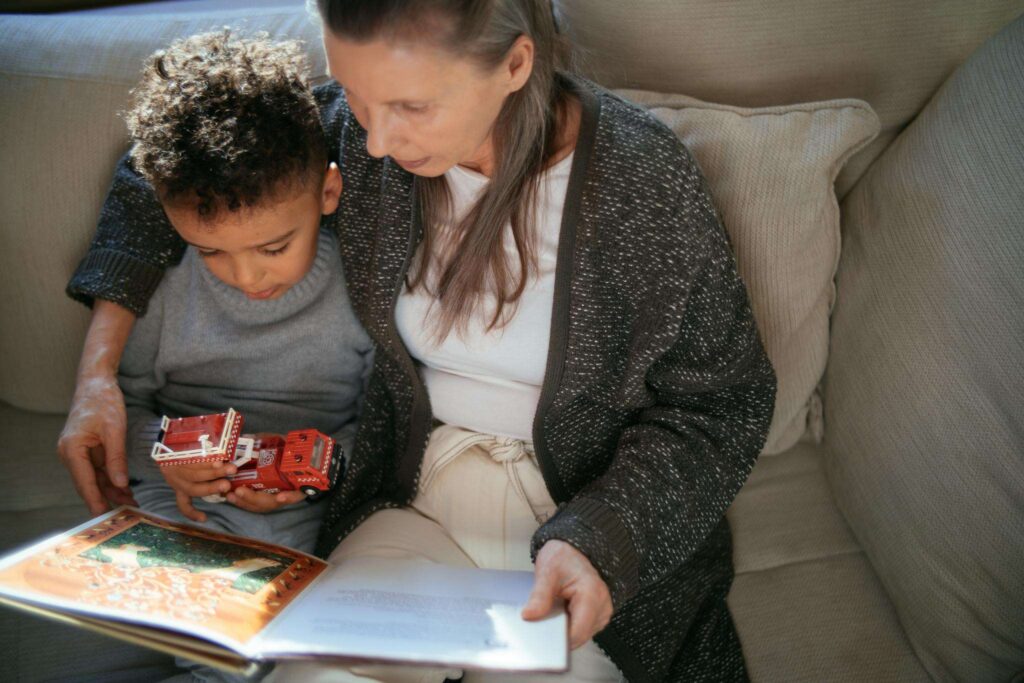
Talking to a child about death is never easy. As adults, we often want to protect children from sadness, but when a loved one dies, it’s natural for them to have questions. They may struggle to understand what has happened, why people around them are grieving or even what death means.
Books can be a wonderful way to help children make sense of loss in a gentle, reassuring way. Through stories, children can explore emotions, find comfort and know that they are not alone in their feelings. This guide shares some of the best children’s books about death and grief, along with practical tips on how to use them to support a child during a difficult time.
Why Books Can Help Children Understand Loss
Grief is difficult for children to process, and their understanding of death depends on their age and stage of development. Using books to introduce the topic in a safe, familiar way can help children feel supported and reassured.
For very young children, abstract ideas can be confusing, so books with simple, concrete language and warm, comforting illustrations work best. Instead of euphemisms like “gone to sleep” or “passed away,” it’s helpful to use clear terms like “died” to avoid misunderstandings.
As children grow, they begin to understand the permanence of death, and they may have more complex emotions—worrying about what happens after someone dies or fearing that they will lose someone else. Stories can help them express these feelings and show them that it’s okay to ask questions, talk about their emotions and remember their loved one in a positive way.
Most importantly, books give children permission to grieve in their own way. There is no right or wrong way to feel after a loss, and stories can help children see that love and memories live on, even after someone has died.
Recommended Books on Death and Grief for Children
Here are some thoughtful, age-appropriate books that can help children understand and cope with loss:
Badger’s Parting Gifts – Susan Varley (Ages 4+)
Badger is old, and he knows his time will soon come. When he dies, his friends feel lost without him, but as they remember all the special things he taught them, they find comfort in their memories. This beautifully illustrated book helps children see that even though someone is gone, their love and lessons remain.
The Invisible String – Patrice Karst (Ages 3+)
This gentle, reassuring story introduces the idea that we are always connected to the people we love, even if we can’t see them. The ‘invisible string’ represents love, stretching between us no matter where we are—making it a comforting read for children experiencing loss.
Lifetimes: The Beautiful Way to Explain Death to Children – Bryan Mellonie & Robert Ingpen (Ages 5+)
Lifetimes explains that everything in nature has a beginning and an end, from plants and animals to people. It presents death as a natural part of life in a way that feels gentle, understandable, and reassuring for young children.
The Memory Tree – Britta Teckentrup (Ages 4+)
Fox has lived a long and happy life, but when he dies, his friends gather to share memories of him. As they talk, a tree begins to grow—symbolising how love and remembrance can bring new life and comfort after loss. This story beautifully captures the power of memory in keeping a loved one close.
The Heart and the Bottle – Oliver Jeffers (Ages 5+)
A little girl, after experiencing a great loss, puts her heart inside a bottle to keep it safe. But over time, she realises that keeping her heart locked away means she can no longer feel joy. This tender story is a wonderful way to talk about emotions and the importance of allowing ourselves to feel, even when grief is painful.
Each of these books has been chosen for its sensitive and thoughtful approach to grief, offering children a way to understand loss while feeling safe and supported.
Tips for Reading About Grief with a Child
Sitting down with a book can be a special moment of connection and reassurance for a grieving child. Here are some ways to make reading together a comforting experience:
1. Create a Safe, Calm Space
Find a quiet place where your child feels secure. Holding them close or sitting side by side can provide extra reassurance while reading.
2. Read Slowly and Pause for Questions
Let your child take in the story at their own pace. They might have questions or want to share their own thoughts and feelings. Encourage them to express whatever is on their mind.
3. Use the Story to Start a Conversation
After reading, gently ask how the book made them feel. Questions like, “Did anything in the story remind you of someone?” or “What was your favourite part?” can help children open up.
4. Validate Their Feelings
Let them know that whatever they are feeling—sadness, confusion, even anger—is completely okay. Reassure them that there is no right or wrong way to grieve.
5. Revisit the Book When Needed
Children often need to hear the same story multiple times to fully process its message. Let them return to the book whenever they want, and be there to support them each time.
Reading together can help children feel less alone in their grief, giving them words and images to express what they may not yet know how to say.
Supporting Families Through Grief
At C V Gower Funeral Directors, we understand that loss affects the whole family, and helping children navigate their grief is an important part of the healing process. We are always here to offer support, whether that’s providing advice on talking to children about death, recommending resources like these books or simply being there to listen.
Every child’s grief journey is different, but with the right support, they can begin to make sense of their loss in a way that feels safe and comforting. If you need guidance on helping a child through bereavement or would like to discuss any aspect of funeral planning, please don’t hesitate to reach out.
We are here to support you and your family every step of the way.
Traveling with Ashes: All You Need To Know

For many families, taking a loved one’s ashes abroad is a way to honour their final wishes or find a special resting place that holds deep meaning. Whether it’s scattering ashes in a beloved holiday destination, returning them to their birthplace or simply keeping them close while travelling, the process can feel both emotional and complex.
Understanding the legal requirements, airline policies, and practical considerations can make the journey smoother and provide peace of mind during what is often a deeply personal experience.
Here, we guide you through everything you need to know about travelling with ashes, ensuring you can do so respectfully and without unnecessary stress.
Understanding the Legal Requirements
Before travelling, it’s important to be aware of the legal requirements involved in transporting ashes. Different countries have their own rules, so checking with the embassy or consulate of your destination is always advisable. However, there are some common documents that most authorities require.
You will need a death certificate and a cremated remains certificate, both of which confirm the identity of your loved one and the cremation process. These documents are usually provided by the crematorium or funeral director. Some countries or airlines may also ask for a certificate of sealing which verifies that the urn has been securely closed.
While not always necessary, having an authorisation letter from the funeral director stating that the urn contains only human ashes can be helpful, especially when passing through customs. Keeping multiple copies of these documents ensures you are prepared for any requests along the way.
If you are planning to scatter ashes in another country, it is worth checking local laws regarding ash scattering. Some locations, such as national parks or protected waters, may have restrictions, while others may require permission. Even if you have already travelled with the ashes, ensuring you can scatter them legally and respectfully at your chosen location is an important step.
At C V Gower Funeral Directors, we understand how important it is to have everything in order before you travel. We can provide the necessary paperwork and guidance to help ensure your journey is as smooth as possible.
Navigating Airline and Airport Policies
If you are flying with ashes, checking your airline’s specific policies in advance is essential. Most airlines allow ashes to be carried in both hand luggage and checked baggage, but it’s always best to confirm.
Many families choose to carry the ashes in their hand luggage, as this ensures they remain with you throughout the journey. However, airport security may ask to screen the urn, so selecting one made from a material that can be X-rayed – such as wood, plastic or certain biodegradable materials – will help avoid delays. Metal urns, in particular, can be difficult to scan, which may result in additional security checks.
Some airlines also require advance notice if you are travelling with ashes, while others may have restrictions on certain destinations. It’s always a good idea to contact the airline before your journey to clarify their policies and any additional steps required.
At the airport, security staff are generally understanding and respectful when dealing with cremated remains. Keeping all necessary documents accessible and being prepared for screening procedures will help make the process as straightforward as possible.
For families travelling long distances or with connecting flights, it’s important to consider layovers. If you are transiting through another country, you may need to comply with their regulations as well, even if you do not plan to leave the airport. Some countries have stricter entry requirements for human remains, so double-checking this in advance can help prevent any delays or complications.
Practical Considerations for Travelling with Ashes
Choosing a secure and appropriate urn is an important part of preparing for travel. A sturdy yet portable container is ideal, ensuring the ashes remain safe throughout the journey. Some families opt for a temporary travel urn, transferring the ashes to a more decorative or permanent urn once they reach their destination.
If you are travelling internationally, it’s worth checking the specific customs regulations for your destination. Some countries require additional permits, and in rare cases, they may have restrictions on the import of human ashes. Again, consulting the relevant embassy or consulate in advance will help avoid any unexpected issues.
For those who do not wish to carry ashes personally, courier services that specialise in transporting human remains may be an option. These services handle all the necessary paperwork and customs processes, ensuring that the ashes are delivered safely and respectfully to their final destination. However, this can be a costly option, and it’s essential to use a reputable provider.
In addition to air travel, some families choose to transport ashes by road or sea, particularly for shorter journeys. Ferry companies and train services may have their own policies regarding cremated remains, so it’s worth checking these in advance if this is your preferred method of travel.
Cultural and Emotional Considerations
Travelling with a loved one’s ashes is not just a logistical process; it is also an emotional one. Many people find comfort in knowing they are fulfilling their loved one’s final wishes, but it is natural to feel a sense of responsibility and even apprehension about the journey.
If you are travelling alone, consider whether you might want the support of a family member or friend. Having someone with you can make the process feel less overwhelming, particularly when dealing with customs or airline staff.
Different cultures and religions have varying perspectives on the transportation and handling of cremated remains. If you are travelling to a country with specific customs or religious practices regarding ashes, it can be helpful to research these in advance or seek guidance from a local authority.
No matter the reason for your journey, taking time to reflect on the significance of the moment can help bring a sense of peace. Whether you are carrying ashes home, to a meaningful location, or simply on a journey that connects you to your loved one, it is a deeply personal experience that deserves care and respect.
Supporting You Through the Journey
Travelling with a loved one’s ashes can be an emotional experience, and the last thing anyone wants is additional stress over paperwork or regulations. At C V Gower Funeral Directors, we are here to support you every step of the way.
As experienced funeral directors, we can provide the necessary documentation, help you choose a suitable urn for travel and offer advice on airline and customs requirements. If you are in the early stages of planning a cremation and know that travelling with the ashes may be part of your plans, we can discuss options with you in advance to ensure everything is arranged properly.
If you would like further guidance on transporting ashes or need assistance with any aspect of funeral planning, please don’t hesitate to contact us.
Why Do We Wear Black? The Origins of Funeral Attire
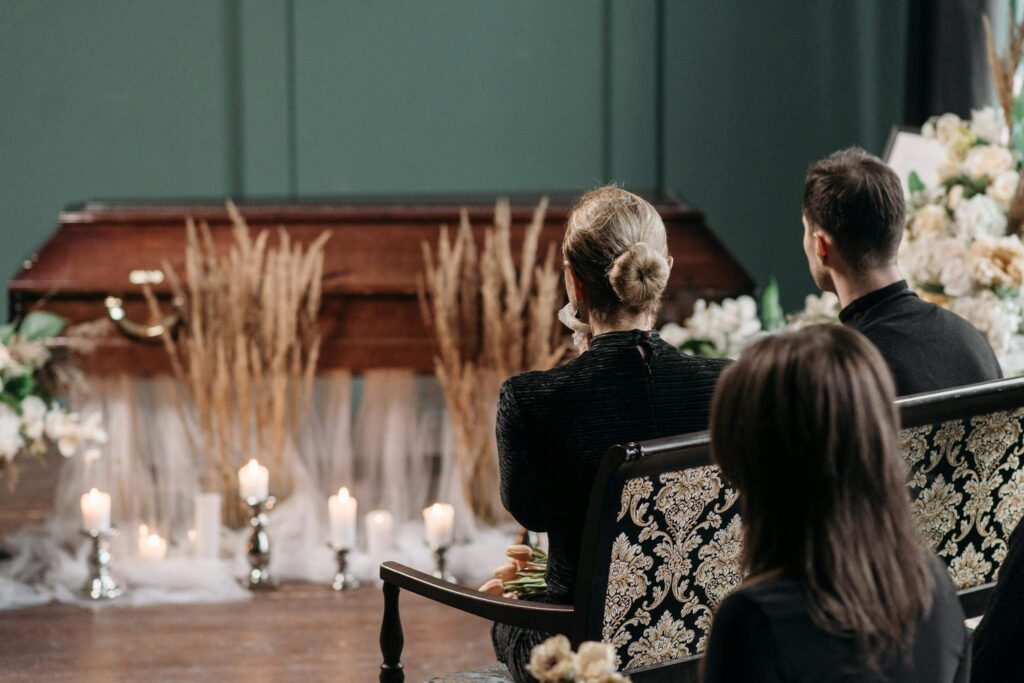
When attending a funeral, what we wear can feel like a meaningful way to show our respect and support. For many of us, black is the first colour that comes to mind, but have you ever wondered why that is? Why is black so closely associated with mourning?
In this blog, we’ll take a closer look at the history of black funeral attire, explore its symbolism and reflect on how traditions are evolving today.
A Tradition Rooted in History
The practice of wearing black during periods of mourning goes back centuries. In ancient Rome, mourners wore dark-coloured garments called toga pulla to show they were grieving. This tradition allowed people to recognise and acknowledge someone’s loss without needing to say a word.
By the Middle Ages, black became firmly tied to mourning, especially among the wealthy. Black clothing was expensive, so it symbolised both grief and social status. People wore it to show respect for the deceased and to express their loss in a way others could visibly see.
The tradition was solidified during the Victorian era. Queen Victoria’s deep grief after the death of her husband, Prince Albert, in 1861 influenced many. She wore black mourning clothes for the rest of her life and her example set the tone for how people mourned. Mourning etiquette in this period became very structured, with rules about how long black should be worn and what was appropriate for different stages of grief.
Even accessories like black veils, gloves and jewellery became part of the mourning tradition, showing just how ingrained this custom had become.
Why Black?
Black has long been associated with solemnity, dignity and respect. It’s a colour that conveys depth of feeling, making it a natural choice for marking loss.
It’s also understated, ensuring that the focus at a funeral remains on the person being honoured, rather than what people are wearing. Black brings a sense of unity among mourners, showing a collective respect for the deceased.
But black isn’t the only colour tied to mourning. In many Eastern cultures, for example, white is traditionally worn to funerals. White symbolises purity and peace, offering a different but equally powerful way of expressing grief.
Funeral Attire Today
While black remains a popular choice, today’s funerals are often more personalised. Families sometimes ask guests to wear a loved one’s favourite colour or dress in a way that reflects their personality. For example, a vibrant floral dress might feel just as fitting at a celebration of life as a traditional black suit.
Some funerals now focus less on formality and more on creating a warm and comfortable environment. It’s becoming more common to see people in casual or colourful outfits, especially when the family encourages attendees to wear something meaningful.
This has led many to ask: “Do I have to wear black to a funeral?” The answer depends on the wishes of the family. While black or dark colours like navy, grey or dark green are still safe options, it’s always best to check if there’s a specific dress code.
Choosing What to Wear
Deciding what to wear to a funeral can feel daunting, especially when you want to honour someone’s memory in the right way. If the family has given specific guidance – such as wearing a particular colour – it’s a good idea to follow that. It’s their way of making the day more meaningful.
If no preferences have been shared, choosing something respectful and understated is always a thoughtful approach. Dark colours are still widely appreciated, but the most important thing is that your outfit shows care and consideration.
For many, choosing what to wear to a funeral isn’t just about tradition or etiquette—it can also provide a sense of structure and comfort during a difficult time. In moments of grief, familiar customs like wearing black or adhering to a dress code offer a way to feel grounded when emotions are overwhelming.
Funeral attire often helps people express what words cannot. The act of putting on sombre clothing can feel like a small but meaningful ritual, a way of saying: “This is my way of honouring this person and showing how much they meant to me.”
In some cases, personalising attire – for example, wearing a colourful scarf or a lapel pin that reminds you of your loved one – can be equally comforting. These small gestures allow mourners to feel connected to the person they’re remembering while also giving them a sense of control and expression during a time that may otherwise feel chaotic.
Ultimately, what matters most isn’t what you wear but the support you offer by being there.
A Tradition That Evolves
The custom of wearing black at funerals has been with us for centuries, and it still carries deep meaning for many. It’s a simple but powerful way to show respect, reflect grief and bring people together.
At the same time, funerals today are becoming more about celebrating individuality. Whether that’s through a specific dress code or allowing for more colour and personal touches, these changes reflect how we remember and honour loved ones in unique ways.
If you have any questions about funeral traditions, attire or planning, we’re here to help. At C V Gower Funeral Directors, we’re committed to providing compassionate, personalised support to make a difficult time a little easier. Get in touch with us today.
Music Matters: The Importance Of Funeral Songs

Music has a unique ability to touch hearts and connect people in times of joy and sorrow. At a funeral, it plays a profound role in helping mourners express grief, honour the memory of a loved one and find moments of solace. Whether it’s a traditional hymn, a beloved ballad or a contemporary favourite, music helps create a farewell that feels personal, meaningful and deeply moving.
In this article, we’ll explore the emotional significance of funeral music, the importance of personal and traditional choices, and offer guidance on planning the perfect musical tribute.
The Emotional Impact of Music at Funerals
Grief can often feel impossible to put into words. When emotions are overwhelming, music becomes a powerful medium for expression. A melody, a lyric, or even the gentle hum of an instrumental piece can resonate in ways spoken words cannot.
At a funeral, music creates moments of connection and reflection. It allows mourners to express emotions they may struggle to articulate, providing comfort and a shared sense of understanding. For example, a hymn like “Abide With Me” carries quiet reassurance, while a personal song, such as “Somewhere Over the Rainbow,” might bring warmth and familiarity.
Music can also offer healing. It provides a chance to pause, breathe, and remember the life of a loved one. In a time of sorrow, it acts as both a release and a balm—acknowledging loss while celebrating cherished memories. It reminds mourners that while someone may no longer be physically present, their spirit lives on through the stories and songs they leave behind.
Traditional and Personal Choices: Reflecting a Loved One’s Life
The choice of music at a funeral is as much about honouring the past as it is about celebrating the individuality of the person being remembered.
For many, traditional music remains an important part of the service. Hymns such as “Amazing Grace” or “The Lord Is My Shepherd” carry a timeless beauty and provide comfort through familiarity. In religious ceremonies, these songs also hold deep spiritual meaning, reinforcing faith and hope during a time of loss.
In contrast, some families prefer a more personalised approach, choosing music that reflects their loved one’s life, passions, or personality. These could be tracks that evoke fond memories—a favourite artist, a song from their wedding day, or something that always made them smile. For example, a fan of classical music might be remembered with a piece by Bach, while someone who loved contemporary ballads may have “You Raise Me Up” or “Wind Beneath My Wings” played in their honour.
Personalising the music allows the service to truly capture who the person was. It can celebrate their uniqueness and create moments of connection for everyone present—whether through quiet tears or gentle smiles as they remember shared experiences.
Planning Music for a Funeral Service
Choosing the right music for a funeral can feel like a daunting task, especially when emotions are high. However, approaching it thoughtfully can help ensure the music is both meaningful and comforting.
Begin by reflecting on the person’s life and the music they loved. Did they enjoy classical compositions, religious hymns, or modern hits? Were there songs they would hum absentmindedly, or pieces that played a significant role in their life, such as their wedding or a favourite film soundtrack?
Once you have a sense of their musical tastes, consider the tone you wish to set for the service. Music can create different moods—solemn, reflective, or even uplifting. A quieter song may accompany moments of contemplation, such as during a reading or time for reflection, while something more hopeful could be played as the service comes to a close.
It’s also worth thinking about the logistics of the music. Are you planning to use live musicians, or will recorded tracks be played? If so, ensure the venue has the right equipment to accommodate your choices. This is where the support of an experienced funeral director can be invaluable. At C V Gower Funeral Directors, we can guide you through these decisions and help you coordinate musicians or technical arrangements to ensure everything runs smoothly on the day.
Finally, think about key moments during the service when music can be included: as mourners gather, during quiet reflection, or as they leave to say their final goodbye. These choices will create a structure to the ceremony, helping it flow naturally while providing emotional touchpoints for everyone present.
Cultural and Spiritual Significance of Funeral Music
Music has always held deep cultural and spiritual importance during life’s key moments, including funerals. Across generations and traditions, it has been used to provide comfort, mark transitions and offer hope.
In Christian ceremonies, for example, hymns serve as both a tribute and a reassurance of eternal peace. “How Great Thou Art” and “Ave Maria” are just two examples that have brought solace to families over the years. In other traditions, such as Hindu or Buddhist funerals, music and chants create an atmosphere of peace and reflection, helping mourners focus their thoughts and prayers.
For secular or non-religious funerals, music often becomes even more personal. It is a way of celebrating the person’s individuality—be it through a song that marked a milestone or something they loved simply because it brought them joy. By weaving personal music into the ceremony, families can honour the life and legacy of the person they have lost in a way that feels authentic and heartfelt.
Helping You Create a Personal Tribute
At C V Gower Funeral Directors, we know how important it is to create a farewell that feels unique and personal. Music is often at the heart of this process. With decades of experience supporting families in North Somerset, we are here to help you select and arrange music that resonates, whether it’s a traditional hymn, a classical piece, or a song that speaks to your loved one’s spirit.
We can assist with every detail, from coordinating live musicians to ensuring your chosen tracks are played seamlessly on the day. Above all, we are committed to creating a service that truly honours the person you are remembering, offering comfort and meaning for everyone gathered.
A Final Note
Music has a way of reaching us when we need it most. At a funeral, it becomes more than sound – it is a bridge between grief and healing, a tribute to a life lived, and a shared experience for those left behind.
Whether you choose a beloved hymn, a modern ballad, or something deeply personal, the right music will help create a beautiful, meaningful farewell.
If you need support in planning or selecting funeral music, please don’t hesitate to contact us. Together, we can help you create a service that truly honours your loved one’s memory.