
Funerals
What Is A Committal Service?

For many families, planning a funeral involves navigating unfamiliar terms and traditions—especially during an emotionally difficult time. One part of the process that often raises questions is the committal service.
What is it? When does it happen? And what can families expect during this final farewell?
In this guide, we’ll explore what a committal service is, how it fits within a traditional funeral, and how it can be personalised to reflect your loved one’s wishes. Whether you’re arranging a funeral now or planning ahead, understanding the committal service can bring comfort and clarity.
Understanding the Committal Service
A committal service is a short, meaningful ceremony that takes place at the final resting place—typically at the graveside or at a crematorium. It marks the moment when the person who has died is committed to their final place of rest, whether through burial or cremation.
This part of the funeral is often deeply symbolic. For many, it represents the point of letting go, providing a quiet moment to say goodbye with dignity, reverence, and reflection.
When Does the Committal Take Place?
The committal usually takes place immediately after the main funeral service. In some cases, particularly with church services, the family and mourners travel together to the cemetery or crematorium following the ceremony.
There are occasions when the committal may happen separately—either privately, with only close family present, or at a later time. This can be for personal, cultural, or logistical reasons.
At C V Gower, we work closely with families to help arrange the most fitting structure for their loved one’s funeral, whether that includes a public or private committal.
Committal vs. Main Funeral Service vs. Graveside Ceremony
It’s understandable to feel unsure about how the committal differs from other parts of the funeral.
Here’s a brief overview of how they relate:
- Main Funeral Service: This is typically the central part of the funeral, often held at a church, crematorium, or other venue. It may include readings, music, tributes, and eulogies.
- Committal Service: A shorter ceremony held directly after the main service. It marks the moment of burial or cremation and often includes final words, blessings, or gestures of farewell.
- Graveside Ceremony: Sometimes the committal itself takes place entirely at the graveside. In these cases, the graveside ceremony may replace the traditional funeral service, especially if families prefer something simpler or more intimate.
No matter the format, the committal offers a space for loved ones to reflect, remember, and release—with quiet dignity.
What Typically Happens During a Committal Service?
Every committal service is unique, shaped by the individual’s faith, values, and family traditions. However, there are some common features you may expect:
1. Final Words and Farewell
Often led by a minister, celebrant, or family member, the service begins with a few reflective words or blessings, offering comfort to those present.
2. Prayers or Readings
A short prayer, poem, or passage may be read—particularly if the funeral is faith-based. In non-religious services, this could be a favourite quote or personal reflection.
3. The Act of Committal
This is the moment when the coffin is lowered into the ground (for a burial), or when attendees gather for the final moments before cremation. A phrase such as “we now commit their body to the ground…” or a quiet pause marks this transition.
4. Symbolic Gestures
Many families find comfort in symbolic actions. These may include:
- Placing flowers on the coffin
- Scattering earth or petals into the grave
- Lighting candles or sharing a moment of silence
Such gestures allow mourners to take part in a final act of farewell.
5. Closing Words or Blessing
The committal service often ends with a closing blessing or statement, offering hope, remembrance, and peace to those gathered.
Burial vs. Cremation: How Committals Differ
While the purpose of a committal remains the same—marking the final farewell—the setting and structure can vary depending on whether the person is being buried or cremated.
Burial Committals
These usually take place at the graveside, either in a churchyard, cemetery, or natural burial ground. Mourners may gather around the grave, often in the open air, to witness the final laying to rest.
The atmosphere is often quiet and reflective, with many families finding comfort in being physically present as their loved one is laid to rest.
Cremation Committals
In cremations, the committal typically takes place within the chapel at the crematorium. This might involve the curtains closing around the coffin, the coffin being lowered from view, or a symbolic gesture such as music or lighting a candle.
The crematorium setting allows for both religious and non-religious ceremonies, and the tone can be tailored to suit the family’s preferences.
Personalising the Committal
A committal service doesn’t have to follow a fixed script. In fact, many families find comfort in shaping it to reflect their loved one’s personality, beliefs, or interests.
Here are a few ways to personalise the committal:
- Choose meaningful music: A favourite song or instrumental piece can help set the tone.
- Select personal readings: Poems, letters, or stories that reflect your loved one’s life and values can bring comfort.
- Involve family members: Whether through shared readings or small symbolic gestures, many find solace in active participation.
- Incorporate cultural or spiritual traditions: Whether it’s a hymn, a prayer in another language, or a traditional ritual, these moments can offer powerful connection and meaning.
At C V Gower, we encourage families to make the committal their own. We’ll guide you through each option, helping you shape a ceremony that truly reflects the life you’re honouring.
Supporting You Through Every Step
The committal is often one of the most emotional parts of the funeral—a moment of letting go and finding peace. Whether quiet and simple or deeply symbolic, it provides a final act of love, carried out with care and respect.
At C V Gower Funeral Directors, we’re here to support you at every stage of the journey. From planning the main funeral service to arranging a personalised committal, our experienced team will guide you with compassion and understanding. We’ll ensure every detail is handled with dignity, according to your preferences and beliefs.
If you have any questions or would like to speak to someone about arranging a funeral or committal service, please don’t hesitate to get in touch. We’re here when you need us most.
How to Create a Memorial Garden at Home

In the quiet moments after loss, many people seek a place where they can feel close to the person they’ve lost—a space to reflect, to grieve, and to remember. For some, this place becomes a memorial garden, lovingly created at home.
Whether it’s a corner of the garden or a dedicated area, a memorial garden can offer a sense of peace and permanence. It’s a deeply personal tribute—shaped by memories, symbols, and a desire to honour a life well lived.
At C V Gower Funeral Directors, we’re often asked about meaningful ways to remember loved ones, and a home memorial garden is a beautiful and accessible option. In this article, we’ll explore how to plan and create one, from choosing plants and flowers with meaning to adding thoughtful touches that reflect the person you’re remembering.
Why Create a Memorial Garden?
A memorial garden offers a quiet sanctuary within the comfort of your own home—somewhere to return to, reflect, and feel close to the person you’ve lost. Unlike public spaces, it’s always nearby, allowing you to visit whenever you need a moment of stillness or connection.
The simple act of tending to the space (watering plants, sitting in silence, or lighting a candle) can bring a sense of peace and continuity. As the garden grows and changes with the seasons, it becomes a living tribute: a space where memories gently unfold and where love continues to bloom.
For many, creating such a space is more than a way to remember, it becomes a meaningful part of the healing process, offering comfort for years to come.
Planning Your Memorial Garden
Before you begin planting, it’s helpful to consider a few practical points:
1. Choose a Meaningful Location
You don’t need a large space to create something beautiful. Many families choose:
- A quiet corner of the garden
- A raised bed or border along a path
- A large planter or patio space
Try to select an area that offers some privacy, as this will likely be a place where emotions are felt freely.
2. Think About Light and Shade
Take note of how much sunlight the area gets throughout the day. This will help guide your plant choices and determine whether the space feels open and airy or calm and secluded.
3. Consider Accessibility
If you’d like to visit the space regularly, consider how easy it is to reach—especially in different weather conditions or as your needs change over time.
Choosing Plants with Symbolic Meaning
Plants and flowers can speak volumes—many carry traditional meanings that can add an extra layer of personal significance to your garden.
Here are a few symbolic choices to consider:
- Forget-me-nots: A classic symbol of remembrance, their delicate blue flowers are especially meaningful in spring.
- Roses: Each colour carries a different meaning—white for purity, red for love, yellow for friendship.
- Lavender: Known for its calming scent, lavender can create a peaceful, sensory-rich space.
- Lily of the Valley: Symbolises the return of happiness and is often associated with loved ones lost.
- Evergreens: Symbolising eternal life and continuity, evergreens provide colour and structure year-round.
You might also include your loved one’s favourite flowers or plants from a place they held dear—be it an English country garden or a woodland walk.
Adding Personal Touches
Beyond plants, small additions can make your memorial garden feel truly special and unique to the person you’re remembering.
Consider:
- A bench or seat: Somewhere to sit and reflect, perhaps with an inscription or carved message.
- Plaques or memory stones: These can include a loved one’s name, a quote, or a few meaningful words.
- Wind chimes: Their gentle sound can bring a soothing presence to the space.
- Stepping stones or paths: These can symbolise life’s journey or simply lead you gently into the garden.
- Photographs in weatherproof frames: A subtle way to include a visual tribute.
Some families choose to light candles or lanterns during significant dates—birthdays, anniversaries, or just when they feel the need to connect.
Low-Maintenance and Sustainable Ideas
Creating a memorial garden doesn’t mean committing to hours of gardening each week—especially if that feels overwhelming.
Here are a few low-maintenance ideas that are still full of meaning:
- Choose perennials over annuals—they return year after year with less effort.
- Add mulch or bark chippings to suppress weeds and reduce watering.
- Use containers or raised beds if bending down is difficult.
- Incorporate wildflowers or native plants, which are better for local wildlife and require less upkeep.
Sustainability is also an important consideration for many families. You might wish to:
- Plant a tree for remembrance, helping to support the environment.
- Use recycled or natural materials for plaques and seating.
- Create a pollinator-friendly space to support bees and butterflies.
Can You Bury Ashes in a Memorial Garden?
For some families, creating a home memorial garden is also tied to the interment of ashes—placing the cremated remains of a loved one in the garden as part of their final resting place.
In the UK, it is legal to bury ashes on private land, including in your own garden. However, there are a few important points to consider before doing so.
Firstly, you must either own the property or have written permission from the landowner to carry out the interment.
It’s also wise to think about the future—particularly what might happen if the property is ever sold. In such cases, using a portable urn or a biodegradable container can offer flexibility, allowing you to relocate the ashes if needed.
While there is no legal requirement to mark the burial site, many families find comfort in placing a plaque or memorial stone at the spot. This simple act creates a lasting tribute and helps keep the memory of a loved one visible and close.
At C V Gower Funeral Directors, we are always available to offer guidance on ashes interment, whether at home, in a cemetery, or through natural burial. We’ll help ensure everything is carried out respectfully and in line with your wishes.
A Lasting Tribute, Grown with Love
There’s no right or wrong way to create a memorial garden. It may be a place of quiet reflection, a riot of colour and life, or a simple arrangement of plants and personal touches. What matters most is that it feels right to you—and that it offers a space where love and memory live on.
At C V Gower, we understand that grief takes many forms, and remembrance looks different for every family. Whether you’re considering a memorial garden, interment of ashes, or another form of tribute, we’re here to support you with compassion and clarity.
If you’d like to talk about your ideas or need advice on planning a memorial space at home, please don’t hesitate to get in touch. We’re here to help you honour your loved one in a way that’s meaningful, lasting, and uniquely yours.
How Long After A Death Is A Funeral Held?
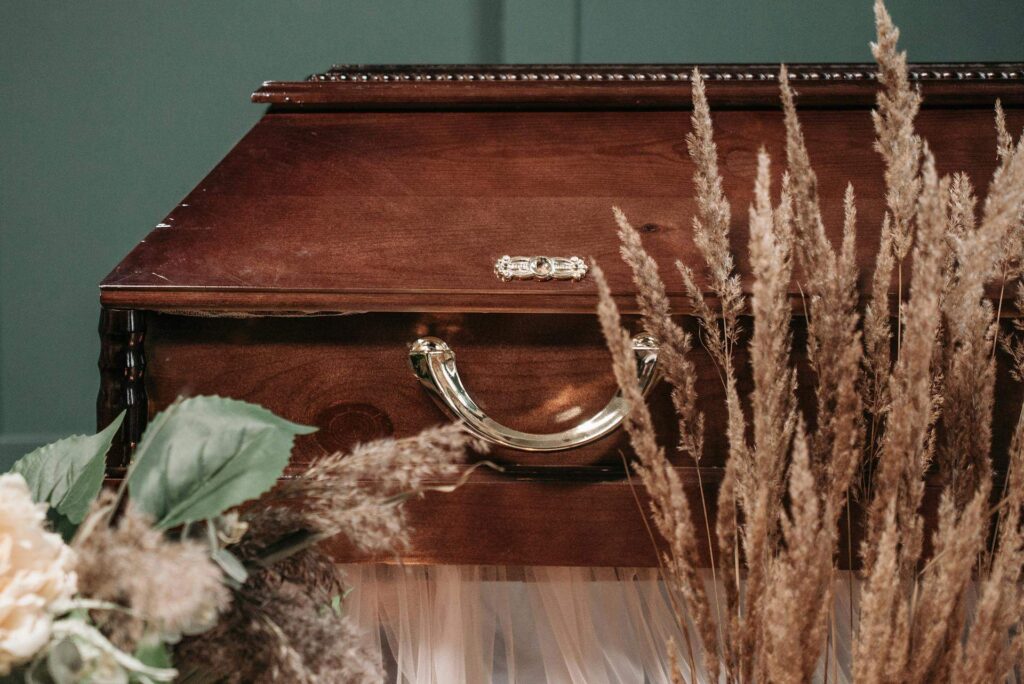
When someone close to us dies, time can seem to move differently. The days that follow are filled with emotion, reflection and the many practicalities that accompany loss. One of the most common questions families ask during this period is how soon a funeral should take place. Understanding the typical timeline between a death and a funeral in the UK helps families make arrangements at a pace that feels right for them.
At C V Gower Funeral Directors, we know how important it is for families to feel supported and informed during these early days. Our experienced team guides each step from registering a death to arranging the funeral service itself, ensuring that everything is handled with care and respect.
How Soon Is a Funeral Usually Held in the UK?
In most cases, funerals in the UK are held within one to two weeks of a person’s death. This timeframe allows families to complete the necessary legal steps and make arrangements that best reflect their loved one’s life. There is no fixed rule. Some funerals take place sooner for religious or cultural reasons. Others are delayed to allow relatives to travel, to wait for a preferred venue, or to take time to plan a more personal service.
At C V Gower, we always remind families that there is no single timescale that suits everyone. Each situation is unique. What matters most is finding a balance between practical needs and the family’s emotional readiness.
Legal Requirements After a Death
Before a funeral can take place, certain legal processes must be completed. In England and Wales, a death must usually be registered within five days at a local register office. This is often done in the district where the person has died. The registrar will require the medical certificate of cause of death, issued by the doctor and will then provide a Certificate for Burial or Cremation, sometimes called the “green form”.
This document is essential as it allows the funeral to proceed. Families may also request several copies of the death certificate for administrative purposes, such as managing the estate or notifying organisations.
At C V Gower, we understand that these formalities can feel daunting, especially when emotions are still raw. Our team offers gentle guidance to help families through each step, ensuring that paperwork is completed promptly and correctly. With our local knowledge and close relationships with registrars and crematoria across North Somerset, we help make this process as straightforward as possible.
What Can Affect the Timing of a Funeral?
Although most funerals take place within two weeks, several factors can influence how soon a service can be held.
In some cases, the timing depends on whether the coroner needs to be involved. If a death is sudden, unexpected, or occurs under certain circumstances, it must be reported to the coroner. This may lead to a post-mortem examination or an inquest and the funeral cannot take place until the necessary paperwork has been released.
Practical considerations also play a role. The availability of the crematorium, cemetery, church, or celebrant can affect the date. The schedules of family members travelling from other parts of the country or abroad may also need to be considered. Many families choose to take additional time to plan a more personal funeral, ensuring that music, readings and tributes are carefully chosen to reflect the person’s life and values.
At C V Gower Funeral Directors, we work closely with families to arrange funerals that are both meaningful and timely. Whether the service needs to be held quickly or there is time to plan in detail, we manage every arrangement with the same care and dedication.
Cultural and Religious Considerations
Different faiths and traditions influence how soon a funeral takes place. In some religions, such as Judaism and Islam, the funeral is usually held within twenty-four hours as part of a deep-rooted spiritual custom. Christian funerals are generally arranged within a week or two, depending on clergy and venue availability. Hindu and Sikh funerals may also happen quickly, although this can vary depending on family customs or travel arrangements.
At C V Gower, we understand how important it is for a funeral to reflect not only personal wishes but also spiritual and cultural beliefs. Our team is experienced in arranging services across a range of faiths and traditions, working sensitively and respectfully to ensure the timing and format honour what matters most to each family.
The Days Before the Funeral
The period between a death and the funeral can feel both long and fleeting. While there are practical tasks to complete, many families also find comfort in using this time to remember, plan and prepare. It can be a chance to finalise the order of service, choose readings or music, select floral tributes or charitable donations and let friends and relatives know the details of the funeral.
For some, visiting the chapel of rest provides an opportunity for quiet reflection and private goodbyes. Others may choose to spend time sharing memories, gathering photographs, or writing tributes that will be included during the ceremony.
Whatever a family decides, C V Gower Funeral Directors are on hand to offer gentle guidance and support. From arranging transport to coordinating with celebrants and venues, our team takes care of practical details so families have space to focus on their memories and on one another.
How C V Gower Funeral Directors Can Help
Arranging a funeral is one of the most significant experiences a family can go through. As a long-established, family-run business with over ninety years of experience in North Somerset, C V Gower Funeral Directors understands the importance of compassionate and personal care.
We provide clear advice, transparent communication and complete support throughout the process, from registering the death and handling documentation to planning the service and managing the day itself. Our aim is always to make each step as simple and stress-free as possible while ensuring the funeral reflects the wishes of your loved one and the needs of your family.
In Summary
Most funerals in the UK take place around one to two weeks after a death, although every situation is different. Legal requirements, cultural traditions and personal circumstances all play a part in deciding when the funeral should be held.
What matters most is creating a farewell that feels right, one that celebrates the person’s life and brings comfort to those who gather to remember them.
If you are arranging a funeral and would like professional, compassionate support, please contact C V Gower Funeral Directors. Our caring and experienced team will guide you through every step, ensuring that each detail is handled with understanding, dignity and care. Get in touch today.
Funeral Flowers: What to Choose and What They Symbolise
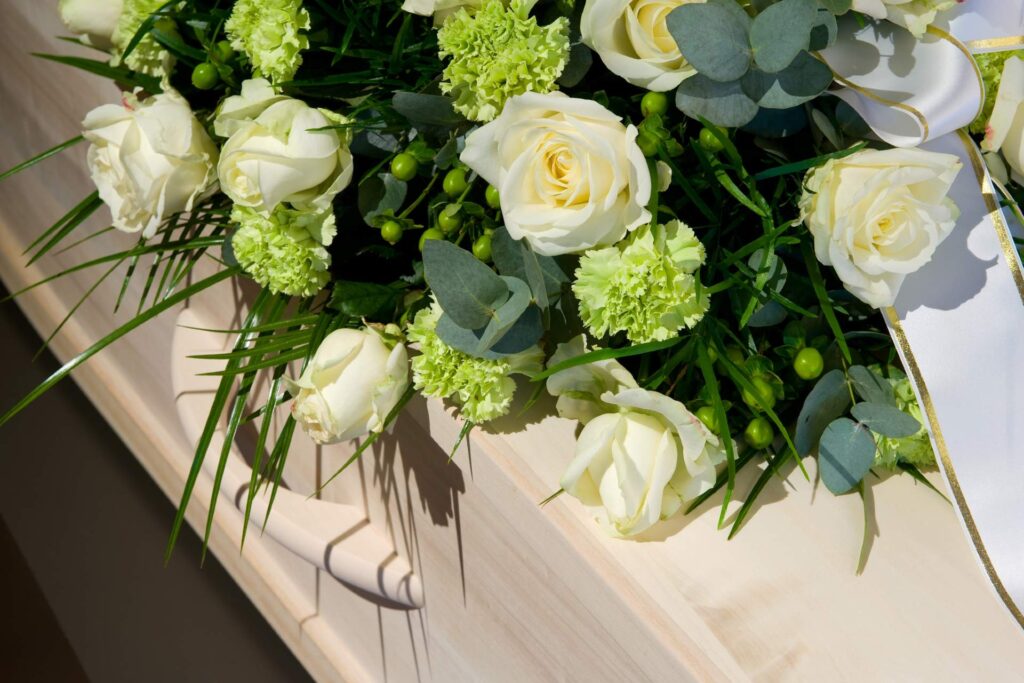
When we lose someone close to us, it can be difficult to find the right words. Flowers, with their quiet beauty and long-standing symbolism, have offered a way to express love, sorrow and remembrance for generations. Whether chosen for a funeral service, a wake, or as a tribute at the graveside, flowers hold deep meaning and can bring a sense of peace and comfort during a painful time.
In this blog, we explore the tradition of funeral flowers, what different blooms represent, and how to choose arrangements that truly reflect the person you’re remembering.
A Gentle Tradition Through Time
The use of flowers in funeral rites can be traced back thousands of years. Archaeologists have found evidence of floral offerings in ancient burial sites, suggesting that even early civilisations recognised their beauty and emotional significance. In Victorian Britain, funeral flowers became deeply symbolic, with each bloom carefully selected to represent particular feelings or qualities. This tradition, known as floriography, allowed people to express their grief, love or respect through a floral language understood by many at the time.
Today, while few of us speak the language of flowers fluently, the meaning behind certain blooms still holds powerful resonance. A white lily continues to convey purity and peace. A red rose still speaks of deep love. These symbols endure, offering comfort when we need it most.
Choosing Flowers That Speak for You
In the UK, there are certain flowers that are especially common at funerals, not only for their appearance but for the emotions they represent. Lilies remain one of the most traditional choices. Their soft, elegant petals and gentle fragrance often reflect the idea of a soul returned to peace. White lilies, in particular, symbolise purity and innocence, and they are often chosen when the loss feels especially tender.
Roses are another familiar and cherished option. Their meaning changes depending on colour. Red roses express love and respect, white ones evoke reverence and remembrance, and pink roses suggest admiration and gratitude. For some, the colour alone is enough to bring a loved one to mind.
Carnations, with their long-lasting blooms and soft ruffles, are also popular in funeral arrangements. They carry subtle meaning too, with red symbolising admiration, white representing innocence, and pink often associated with remembrance in religious settings. Chrysanthemums, while less common in everyday bouquets, are frequently used in funeral tributes, especially in parts of Europe and Asia. In those traditions, they symbolise mourning and remembrance. In the UK, they are more broadly associated with sympathy and respect.
The colour of a tribute can be just as significant as the type of flower. White often represents peace and simplicity, while red may reflect passion or enduring love. Pink is commonly chosen to reflect gentleness or fond memories, and yellow can evoke a sense of warmth, friendship or celebration of life. Many families choose to include a person’s favourite colours or blooms as a way of making the tribute feel more personal and meaningful.
Beyond Flowers: Other Ways to Remember
While flowers remain a beautiful and traditional way to honour someone’s life, not every family feels they are the right choice. In recent years, many have chosen to mark their loss in other ways or to combine floral tributes with alternative gestures. One thoughtful option is to invite donations to a charity that was important to the person who has died. This can be a meaningful way to honour their values or continue a cause they cared about.
Some people prefer more sustainable tributes, such as potted plants, seed packets or even trees that can be planted in memory. These living tributes can offer a sense of continuity and provide a peaceful space for reflection in the months and years to come. At C V Gower, we supply memorial jewellery and trinkets, which we personalise with ashes, hair, and finger or paw prints, so that families can always have their loved one close to them. Always with them.
Adding a Personal Touch
Every life is unique, and floral tributes can be a powerful way to reflect that individuality. Some families choose arrangements that include their loved one’s favourite flowers or colours. Others request specially shaped tributes, such as a football shirt, musical instrument or gardening tools, to reflect the person’s hobbies or interests.
Messages included with floral arrangements can also offer a heartfelt way to say goodbye. Whether handwritten on a simple card or printed in the order of service, a few thoughtful words can bring comfort and help others feel connected in their grief.
The team at C V Gower understands how important these personal details can be. That is why we take the time to understand your wishes and help you choose something that feels right. Whether you prefer a simple arrangement or a completely bespoke tribute, we are here to support you with care and sensitivity.
Making the Right Choice for You
Choosing funeral flowers is often one of many decisions during an emotional and overwhelming time. When you’re unsure where to begin, thinking about the person you’re remembering can be a helpful starting point. Consider what they loved, how they lived, and what would have brought them joy. For some, a classic white wreath feels most appropriate. For others, a bright and colourful bouquet may better reflect a vibrant personality or a life filled with laughter.
Cultural or religious traditions may also influence the choice of flowers. Some communities have specific customs, while others may favour simplicity or avoid floral displays altogether. At C V Gower, we have experience supporting families from a wide range of backgrounds and beliefs. We will always listen and ensure your choices are respected and carefully carried out.
Here to Support You
At C V Gower Funeral Directors, we understand that every farewell should be as individual as the person it honours. Our team is here to gently guide you through the process of choosing floral tributes, offering both practical advice and emotional support. We work with trusted local florists to ensure each arrangement is not only beautiful but truly meaningful.
Whether you know exactly what you want, or need some gentle help deciding, we are here to make sure your floral tribute feels right and reflects your loved one with care.
If you would like to talk to someone about funeral flowers or any aspect of arranging a service, please don’t hesitate to get in touch. You are never alone in this.
What Does A Funeral Celebrant Do?
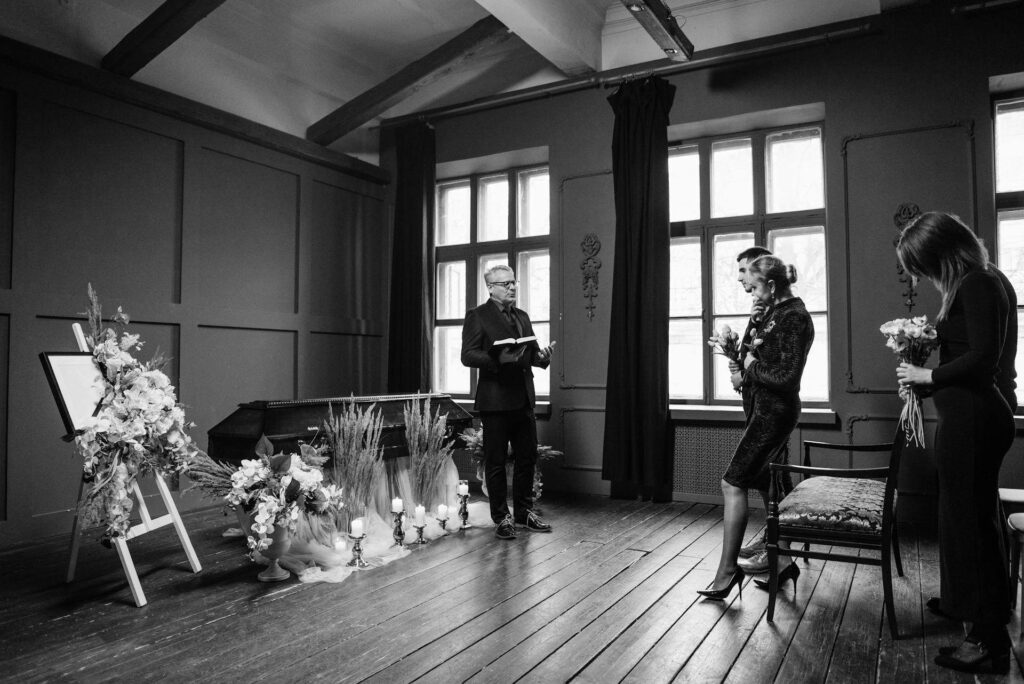
When planning a funeral, one of the first and most important decisions a family will make is choosing the person to lead the service. This role is often associated with a religious minister. Still, for many families today, particularly those seeking a more personal or flexible ceremony, a funeral celebrant may be the most appropriate choice. But what exactly does a celebrant do and how can they help create a meaningful farewell?
A Personalised Approach to Saying Goodbye
At its heart, a funeral is a chance to honour a life. A celebrant’s role is to guide this tribute with care, compassion and a focus on the individual. Their story, their values and the memories they leave behind. Unlike religious ministers who usually lead services grounded in specific faith traditions, funeral celebrants offer a non-religious or semi-religious alternative. Their approach is centred on the person who has died, creating a ceremony that is as unique as the life it reflects.
Getting to Know the Person Behind the Ceremony
Celebrants work closely with families to learn about their loved one. This often begins with a conversation, not a formal interview but a gentle, supportive meeting where memories are shared and stories unfold. Through these discussions, the celebrant begins to build a picture of the person, their character, passions, achievements and the impact they had on others. These moments can be emotional but they are also an opportunity for reflection and connection, often helping families begin the journey of saying goodbye.
Once the celebrant understands the person’s life and the family’s wishes, they will begin crafting the ceremony. This might include a personal tribute or eulogy, selected music, readings, poems or even shared memories from friends or relatives. Every element is chosen to reflect the tone and spirit of the occasion, whether it’s quiet and reflective, joyful and celebratory or a gentle blend of both. The celebrant often writes and leads the entire service but they will also support others who wish to contribute on the day.
This kind of bespoke ceremony is often part of our personalised funeral services, which are tailored around the life being remembered.
How Celebrants Differ From Other Officiants
It’s helpful to understand how celebrants differ from other people who may lead a funeral, such as religious ministers or humanist officiants.
Religious ministers are closely tied to their faith communities and typically follow a set structure that includes prayers, scripture or religious rites. For families with strong religious beliefs, this can offer deep comfort and familiarity.
Humanist officiants conduct non-religious funerals. These services do not include any reference to faith or spirituality and are rooted in humanist values, focusing purely on the life that has been lived. This can be a meaningful choice for those who did not hold religious beliefs and want their farewell to reflect that philosophy.
Funeral celebrants sit somewhere between these two approaches. While they do not represent a particular religion, many celebrants are happy to include elements of faith, such as a favourite hymn or a moment of prayer if requested by the family. Others may lead fully secular services. This flexibility makes celebrants a fitting choice for modern families who may not all share the same beliefs or who simply want a service that feels more personal and inclusive.
When Choosing a Celebrant Feels Right
A celebrant-led funeral can be particularly appropriate when the person who has died was not religious or when the family prefers a ceremony that places greater emphasis on personal memories rather than formal rituals. It can also be the right choice when there’s a desire to blend cultural traditions or spiritual beliefs or to include creative or alternative elements. In many cases, families find comfort in the way a celebrant can gently guide them through the process, helping shape a farewell that truly feels right for them.
Supporting Families at Every Step
At C V Gower, we understand how important it is to find the right person to lead a funeral service. That’s why we work closely with a trusted network of celebrants, ministers or officiants, offering thoughtful guidance to help each family choose someone who reflects their loved one’s personality, beliefs and the tone they wish to set. Whether you are looking for a fully non-religious ceremony, a service with spiritual touches or simply want something personal and heartfelt, we are here to support you at every stage.
A Meaningful Tribute
In the end, a funeral is not just about saying goodbye. It’s about remembering, honouring and celebrating a life in a way that feels meaningful. A celebrant can help create that space, offering words that bring comfort, structure that brings clarity and a presence that brings reassurance. If you’re considering who might lead your loved one’s farewell, we’re here to talk it through and help you make the choice that feels right for you and your family.
To learn more about working with a celebrant or to speak with our team about funeral arrangements, please don’t hesitate to get in touch. You don’t have to navigate this journey alone. We’re here to walk alongside you with compassion and understanding.
What Should You Write in A Sympathy Card?
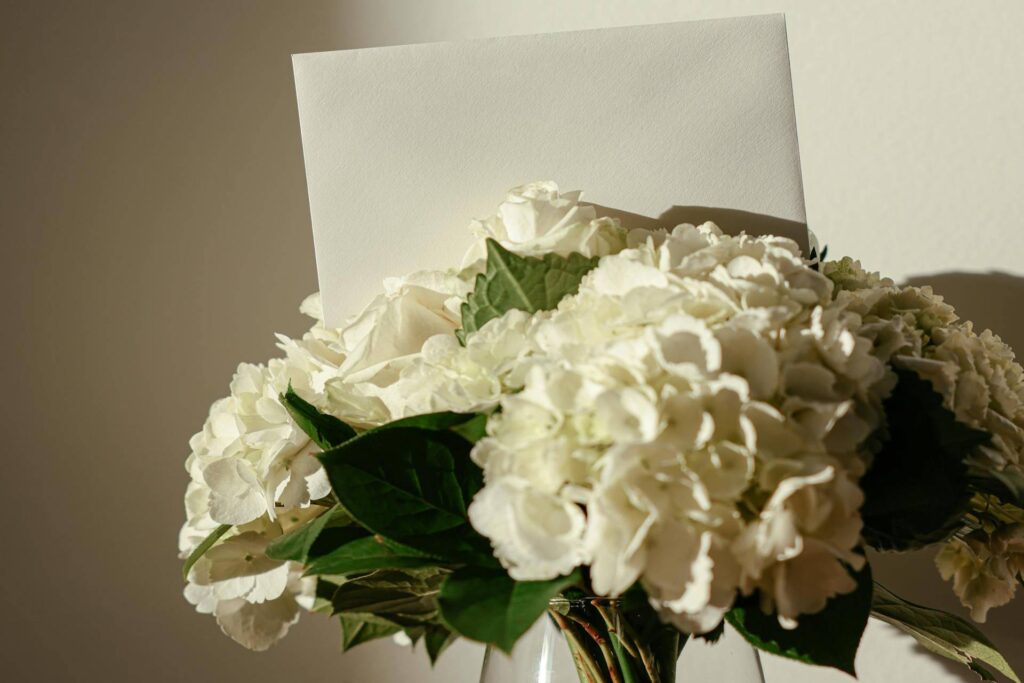
When someone we care about is grieving, it can be hard to know what to say. Reaching out with a sympathy card is one of the simplest and most thoughtful ways to show you care. Yet finding the right words can feel daunting. You may worry about saying the wrong thing or that your message will fall short.
The truth is, there are no perfect words. What matters most is the act of reaching out. A short message, written with warmth and sincerity, can bring comfort at a time when it is most needed. At C V Gower Funeral Directors, we have supported many families through loss and we often see just how meaningful these small gestures can be. A sympathy card does not need to be long or poetic. It only needs to come from the heart.
This guide offers gentle suggestions on how to write a message of condolence, along with thoughtful examples and reassurance if you are finding it difficult to know where to begin.
Why a Sympathy Card Can Mean So Much
Grief can feel isolating. After the funeral, when daily routines resume and the world carries on, many people find themselves alone in their sorrow. A sympathy card can help ease that loneliness. It shows that someone remembers that their loss is seen and their feelings are acknowledged.
While a visit or a call may offer comfort, a card gives something lasting. It can be held, reread and returned to in quiet moments. This small piece of paper becomes a reminder that others are thinking of them and that their loved one mattered.
Finding the Right Words
Many people struggle with what to say in a sympathy card. Keeping things simple can help. A thoughtful message often includes three parts: a gentle acknowledgement of the loss, a few words of support and, if you feel it is appropriate, a short memory or kind thought about the person who has died.
Start by recognising the loss. Mention the person by name if you can. This can be comforting and personal. From there, a message of support can reassure the grieving person that they are not alone. If you feel able, offering help or simply saying you are there for them can be a meaningful gesture.
If you knew the person who has died, a memory or reflection may bring comfort. It could be a quality you admired in them or a moment you shared. These personal touches remind those who are grieving that their loved one made a difference in the lives of others.
There is no need to write a long message. What matters most is that your words are sincere and kind.
Speaking with Sensitivity
Choosing your words with care can make a real difference. Phrases such as “I’m so sorry for your loss” or “Thinking of you during this difficult time” are both simple and heartfelt. Even just saying “You are in my thoughts” can offer comfort.
Try to avoid phrases that could seem dismissive or that make assumptions about how someone feels. Statements such as “They are in a better place” or “At least they lived a long life” may be meant with good intentions but can sometimes cause pain. Everyone experiences grief differently, so it is best to avoid anything that suggests how someone should feel.
It is also wise to steer away from comparing their grief to your own. While you may have experienced loss yourself, what helps most is allowing their emotions to be heard rather than drawing attention away from them.
Writing for Different Relationships
The message you write may depend on your relationship with the person who is grieving. If you are writing to a close friend or family member, your message may feel more personal. You might share memories, reflect on your own feelings of loss, or simply let them know you are there for them in any way they need.
For example, you might write, “I was heartbroken to hear about your dad. He was always so kind and welcoming. I’m here for you whenever you need to talk.”
For a colleague or someone you do not know as well, your message may be more formal but still warm. A few simple lines that acknowledge their loss and offer support will be appreciated. You might say, “I was very sorry to hear of your loss. Thinking of you and your family at this difficult time.”
If you did not know the person who died, you can still write a meaningful message. A few sincere words, such as “I am so sorry to hear about your loss. Please know that I am thinking of you”, can bring comfort.
When You Are Struggling with What to Say
It is perfectly natural to find yourself lost for words. If nothing feels right, it is okay to say so. You might write, “I don’t have the right words but I wanted to let you know I am thinking of you.” That alone can mean a great deal.
There are other ways to show support too. Some people choose to include a photograph, a small keepsake, or a memory that reflects their connection to the person who has died. Others offer help in practical ways, such as preparing a meal or running errands. These thoughtful gestures can be just as meaningful as anything written.
If you are unsure whether your message is too short, too late, or too plain, remember that any expression of care is better than silence. Most people will be touched that you took the time to reach out at all.
A Kind Word Can Stay with Someone Forever
There is no deadline for comfort. A message sent days or even weeks after a funeral can still bring peace. Sometimes, it is in those quieter weeks, when formalities have passed and visitors have left, that a simple card can mean the most.
At C V Gower, we have seen time and again how the smallest acts of kindness can make a lasting difference. Whether you are writing to someone close or offering condolences from a distance, your message will be appreciated.
Our role is to support families not just through the practical arrangements of a funeral but also through the quieter moments that follow. If you ever need advice or guidance, we are here to help.
Supporting You Every Step of the Way
If you are unsure about how best to support someone who is grieving, or if you need guidance on funeral planning or memorial options, our team is always here to help. With over 90 years of experience as a trusted family-run funeral director in North Somerset, we understand how important it is to treat every family with care and compassion.
To learn more about our services, including traditional funerals, direct cremations, or pre-paid funeral plans, please visit our website or contact us for a warm and understanding conversation.
Even a few words, written with kindness, can offer comfort that lasts a lifetime.
Should Children Go To Funerals
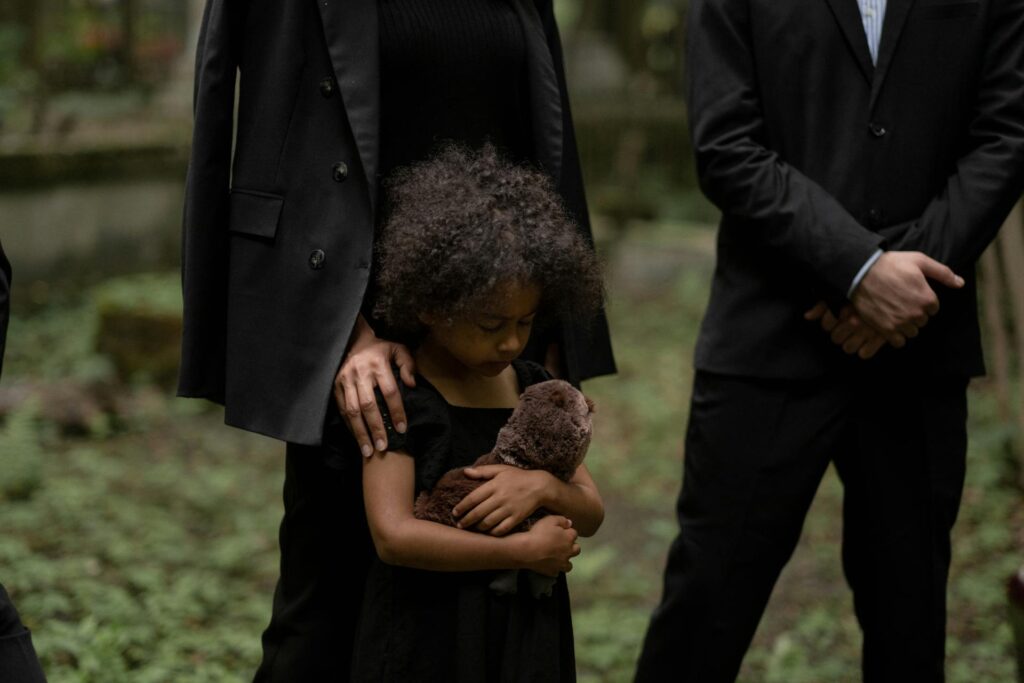
When someone close to us dies, it’s natural to want to shield children from the sadness and confusion that grief can bring. One of the most common questions families ask is whether it’s appropriate, or even helpful, for children to attend a funeral. While there is no single answer that fits every family, understanding the emotional, cultural and practical aspects of the decision can help parents and carers choose what feels right for their child.
At C V Gower Funeral Directors, we know how delicate these conversations can be. Our team is here to support families through every step, offering compassionate guidance when questions like these arise.
Cultural and Religious Perspectives
Views on whether children should attend funerals often vary depending on cultural or religious background. In some communities, it is entirely natural for children to be present at a funeral. Death is seen as a part of life and children are encouraged to be involved in the rituals and farewells, even from a young age.
In other traditions, funerals are more private affairs and children may be excluded either to protect them from emotional distress or because the rituals are considered too complex or intense for them to witness. Even within the same religious tradition, beliefs can differ greatly depending on personal interpretation or family preference.
Understanding your own cultural or spiritual values can help guide your decision. Speaking to a religious leader or someone from your community may also offer reassurance or clarity about what is considered appropriate.
The Benefits of Inclusion
In many cases, involving children in a funeral can have a positive and lasting impact. Attending a funeral helps a child understand that death is a real and significant event. It gives them the opportunity to say goodbye, see how others express grief and feel included in the shared emotions of the day.
For some children, especially those who had a close relationship with the person who has died, being present can provide comfort. It allows them to be part of a meaningful goodbye, which may help prevent confusion or a sense of isolation later on. Rather than feeling left out or pushed aside, they are welcomed into a moment that acknowledges the life and loss of someone they loved.
Funerals also offer a chance for children to ask questions and to see that sadness is a natural response to losing someone. This can help them process their own feelings in a healthy and supported way.
Understanding the Challenges
While there are clear benefits to involving children in funerals, there are also very real concerns that must be taken into account. Funerals can be emotionally overwhelming, not just for adults, but for children as well. Some children may feel frightened or unsettled by the emotional atmosphere, especially if they are witnessing strong expressions of grief for the first time.
For younger children, sitting quietly through a service may be difficult and they may not fully understand what is happening. They might become restless, upset, or need to leave the room during the service. Some parents worry about their child’s behaviour disrupting the occasion, or about their child becoming distressed and not knowing how to respond.
It’s important to remember that all of these responses are completely natural. Every child is different and what may be suitable for one might not feel right for another. Trusting your instincts as a parent or carer is key.
Preparing a Child for a Funeral
If you do decide that your child will attend the funeral, preparing them ahead of time can make a significant difference to how they experience the day. Talking to them gently about what a funeral is, what will happen and why people may be feeling sad can help them feel more secure.
Children tend to cope better when they are told what to expect. This might include explaining where the funeral will be held, who will be there and how people might behave. Encouraging them to ask questions and reassuring them that it’s okay to feel whatever they feel, whether that’s sadness, confusion, or even curiosity, can help them feel more in control.
Sometimes, children appreciate having a simple role to play, such as drawing a picture to place with the coffin, choosing a song, or lighting a candle. These small gestures can give them a sense of involvement and purpose during what may otherwise feel like a confusing time.
Alternatives to Attending the Funeral
There are occasions when it might be decided, for various reasons, that a child will not attend the funeral. In these situations, it’s still possible and often very helpful to find alternative ways for them to say goodbye.
Some families create a quiet moment at home, perhaps by lighting a candle, looking through photo albums, or talking about memories of the person who has died. Others might help the child create a memory box filled with drawings, letters, or keepsakes.
For older children, writing a message or poem that can be read during the service is another meaningful way to be part of the farewell, even if they are not physically present. Some families choose to visit the graveside or memorial site at a later time, when things are quieter and the experience can be more personal and less overwhelming.
What matters most is that the child feels included and supported, even if they are not at the funeral itself.
Age-Appropriate Involvement
The way a child might be involved in a funeral often depends on their age and understanding. A toddler, for example, may simply be present for part of the service and comforted by a familiar adult if they become restless. A school-aged child might appreciate being told what will happen in advance, given choices about their involvement and reassured that it’s okay if they feel unsure or upset.
Teenagers often have their own opinions and may want to take an active role in the ceremony. Giving them space to make their own decision, while offering emotional support, can help them feel respected and heard.
Whatever the child’s age, their needs must be considered with care and sensitivity. Offering them information, choice and comfort can help them feel safe and supported, regardless of whether they attend the funeral or not.
Support from C V Gower Funeral Directors
At C V Gower Funeral Directors, we believe that every family deserves the opportunity to say goodbye in a way that reflects their values, their needs and their love for the person who has died. This includes supporting families in deciding how best to involve children during a time of loss.
Whether you are unsure about how to talk to your child about death or need advice on how to prepare them for a funeral, our experienced team is here to help. We understand how emotionally challenging these decisions can be and are always available to offer compassionate guidance tailored to your situation.
From private family services to personalised ceremonies, we work with you to create a respectful and comforting experience for everyone involved, including the youngest members of your family. Get in touch with our team today and we’re here to help every step of the way.
How To Invite People To A Funeral
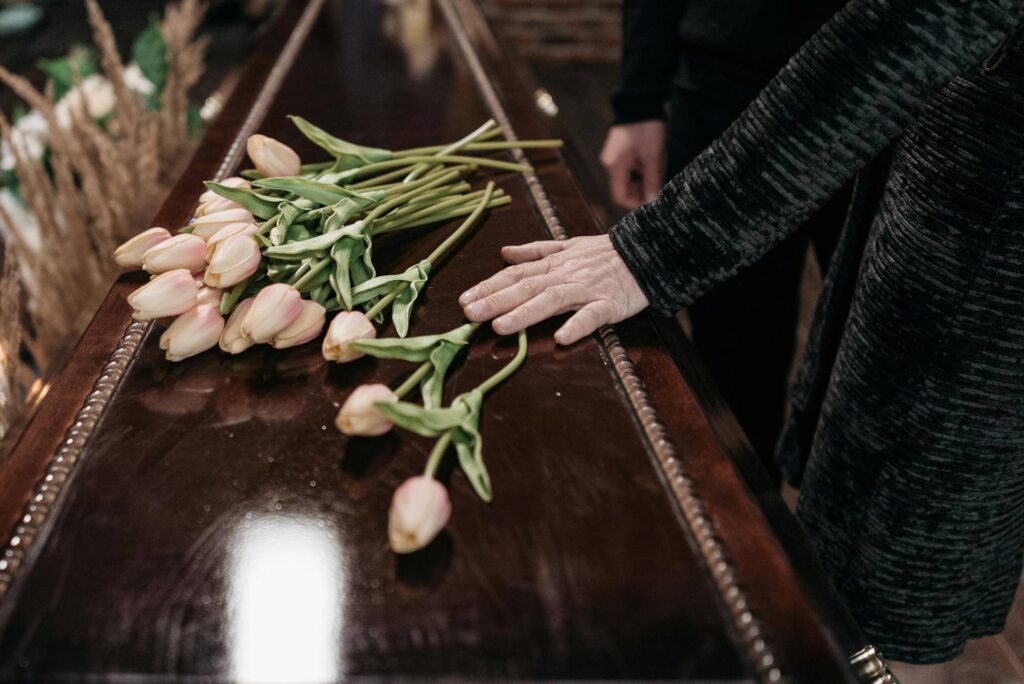
Inviting people to a funeral is one of those tasks that can feel unexpectedly heavy. Amidst grief, it can be difficult to find the right words, let alone decide who to contact and how. Yet this invitation in this moment of reaching out is also part of how we begin to honour a life and bring others together in remembrance.
Whether you’re arranging a quiet gathering or a more public service, there are many ways to invite people to a funeral. Some are rooted in tradition, while others reflect modern life and the ways we now stay connected. At C V Gower Funeral Directors, we’ve supported families through every kind of farewell and we understand that how you invite people can be as personal as the funeral itself.
Traditional Invitations and Thoughtful Wording
Traditionally, funeral invitations were printed and sent by post. These formal cards, often simple in design, offered a respectful and tangible way to share the time, date and place of the service. Even today, many families choose printed invitations, not only for their elegance but for the sense of occasion they bring.
The wording used is usually gentle and sincere. It typically includes the name of the person who has died, details of the funeral service and any information about a gathering afterwards. Families often include phrases such as “the family of…” or “you are warmly invited to attend…” expressions that invite connection and reflect the nature of the occasion.
If you’re unsure how to begin, you don’t need to struggle with this alone. At C V Gower, we’re always here to help with wording that feels right for you and your loved one. We can also arrange professional printing and ensure everything is prepared with care.
Embracing Digital Communication
In recent years, digital invitations have become a common and practical choice. Whether by email, text, or messaging apps like WhatsApp or Facebook Messenger, these forms of communication allow you to reach people quickly, especially if time is short or guests live far away.
Sending a message online can still be deeply personal. Many families choose to share a favourite photo, a few words about the person’s life, or even a link to an online memorial page. A heartfelt message, even if brief, lets people know they are welcome and gives them an opportunity to say goodbye.
Some families choose to combine both printed and digital invitations, ensuring that everyone from older relatives to long-distance friends receives the news in the way that suits them best. Again, we’re here to help you decide what feels most appropriate for your situation and support you in making those arrangements.
Communicating with Clarity and Care
However you choose to send your invitations, what matters most is that the key details are shared clearly. The date and time of the funeral, the full address of the venue and any follow-on events such as a wake or reception should all be easy to understand. You may also want to include guidance on dress code, parking, or whether guests are invited to bring flowers or make donations in your loved one’s memory.
Sometimes it’s helpful to share a few words about the nature of the service, whether it’s a traditional ceremony, a more personal celebration of life, or a simple direct cremation with a later memorial. These details can help guests feel more at ease and know what to expect.
At C V Gower, we often create tribute pages for families, where this kind of information can be shared online, along with photographs, memories and charitable donation options. It’s one more way we aim to support you in keeping communication open, thoughtful and accessible.
Deciding Who to Invite
There’s no set rule for who should be invited to a funeral. Some services are small and private, attended by immediate family and a few close friends. Others may be open to a wider community, including colleagues, neighbours, childhood friends, or members of clubs and social groups.
It can be helpful to consider who your loved one would have wanted to be there. Some families take time to create a list together, making sure no one important is overlooked. Others welcome support from friends who can help reach out to certain circles, particularly when emotions are running high and energy is low.
At times, families choose to keep the funeral private, perhaps due to the wishes of the person who has died or simply because a quiet, intimate farewell feels more fitting. In those cases, it’s perfectly acceptable to let others know that a private service is taking place and to invite them to a separate memorial or gathering at a later date.
Managing Responses and Attendance
For many funerals, particularly those held in larger venues or places of worship, there is no need to ask guests to RSVP. People will often arrive without notice and that’s entirely appropriate. However, if space is limited or you’re making arrangements for catering after the service, it may be helpful to ask guests to let you know if they plan to attend.
This can be done through a simple message, a phone call, or even a short online form. You might say, “Please let us know if you’re able to join us,” or, “Kindly RSVP by Friday.” These gentle requests can help you prepare while still keeping the tone warm and welcoming.
Our team at C V Gower is always happy to advise on how best to manage responses and to help you word these requests in a way that feels natural and unpressured.
The Role of Social Media and Online Tributes
For some families, sharing the news of a funeral on social media feels appropriate and even comforting. A thoughtful post can reach people who might not otherwise hear the news, particularly distant friends, past colleagues, or those who may no longer be in regular contact.
It’s important to strike the right tone. Some families choose to include only the essential details and invite anyone who knew the person to attend, while others prefer to keep things more private and invite people to message them directly for information. Online memorial pages, such as those offered through C V Gower, provide a respectful alternative, a dedicated space where people can find service details, leave messages and contribute to charitable causes in memory of the person who has died.
How We Can Help
At C V Gower Funeral Directors, we understand how emotional and complex this part of the process can feel. You may be uncertain about how to start or feel overwhelmed by the many small decisions involved. We’re here to guide you gently, with compassion and experience.
Whether you need help wording a printed invitation, setting up an online tribute, or deciding how best to let people know about the funeral, our team is ready to support you. We believe that every farewell is unique and that every detail, including the invitation, should reflect your loved one’s life and the way you want to say goodbye.
A Gentle Conclusion
Inviting people to a funeral isn’t just about logistics; it’s an act of love. It brings people together, offers comfort and begins the process of remembrance. However you choose to share the details, whether with printed cards, a quiet message, or a post online, what matters most is the care behind it.
If you’d like support with this part of the journey, please don’t hesitate to contact us. At C V Gower, we’re always here to help, with kindness, experience and a listening ear.
Dealing With A Loved One’s Pet After Death
When someone close to us dies, the emotional weight of grief can be overwhelming. Amidst the many decisions and practical arrangements that follow, one matter that often arises yet is rarely talked about in advance is what happens to their pets. For many people, animals are not just companions, but beloved members of the family. Ensuring their care and well-being after an owner’s death is both a responsibility and a final act of kindness.
At C V Gower Funeral Directors, we understand the bond people share with their pets. In this guide, we explore how families can support animals left behind, what legal considerations may come into play and how planning can offer peace of mind for everyone involved.
When a Pet Owner Dies: Taking Immediate Care
In the immediate days following a death, it’s important to make sure any pets are safe, secure and cared for. This can often feel like one of many urgent decisions, but even small gestures, like feeding them at their usual time or offering a familiar blanket, can help a great deal. Animals are highly intuitive and may sense that something has changed, which can lead to distress or confusion. Being surrounded by familiar objects, people, or routines may offer some reassurance during this unsettling time.
If a close friend or family member can temporarily care for the animal, this can offer vital stability until longer-term arrangements are decided. For pets already accustomed to a particular person, this transition can feel more natural and less stressful.
Understanding Who Is Legally Responsible
In the UK, pets are legally viewed as part of a person’s estate; essentially, they are considered property. This means that if the person who died left a Will, the executor will be responsible for following any instructions regarding pet care. Some people choose to name a trusted friend or relative as the future carer of their pet. Others may express a wish for the animal to be rehomed, either within the family or with the help of a charity.
When there’s no Will in place, decisions about the pet’s future typically fall to the next of kin or those managing the estate. These situations can be more complex and sometimes emotional, especially if different family members have differing views or if no one feels able to take the pet on. It’s important to take the time needed to make a thoughtful decision, keeping the animal’s welfare at heart.
Finding a New Home with Care and Compassion
Not every family is in a position to offer a permanent home to a pet and that’s perfectly understandable. Rehoming may be the most suitable option but it doesn’t have to mean sending a beloved animal to an uncertain future. There are many reputable rehoming organisations, both locally and nationally, that specialise in finding loving, stable environments for pets.
Sometimes, a close friend or extended family member may already have a bond with the pet and be happy to offer a new home. In other cases, working with a rehoming charity or breed-specific rescue can help match the animal with a new family who understands their needs. Many organisations are sensitive to the circumstances surrounding a pet’s loss and work hard to provide comfort and continuity.
It’s worth remembering that the goal isn’t simply to place the pet somewhere; it’s to ensure they continue to receive the care, love, and companionship they’ve always known.
Coping with Pet Grief and Change
Just as people grieve, animals can experience their own form of loss. While they may not understand death as we do, they often notice the absence of a person they were bonded with. Pets may become quieter, more anxious, or withdrawn. A change in appetite or sleeping patterns is also common.
During this time, gentle reassurance and a steady routine can offer comfort. Patience is key. A pet might need time to adjust to a new home, new people and a different rhythm to their day. They may also benefit from extra attention and affection, helping them to form new bonds and feel secure again.
In some cases, if a pet continues to struggle, speaking to a vet or an animal behaviourist can offer further guidance and support.
Planning Ahead for Peace of Mind
One of the most thoughtful steps anyone can take is to make arrangements for their pets in advance. This is becoming more common as people recognise how deeply their animals are part of their lives and how much comfort it brings to know they will be looked after.
Including pet care in a Will is one way to ensure your wishes are known. Some people choose to name a specific guardian for their pet and may even leave a financial gift to help with the cost of food, vet care, and other essentials. For those wanting to take things a step further, a pet trust can be established to provide ongoing funds and oversight for a pet’s well-being.
These decisions can also be incorporated into a pre-paid funeral plan. At C V Gower, we support individuals in making clear, compassionate arrangements that reflect their love for those they leave behind, including their pets. Whether it’s noting down a preferred carer, outlining routines, or simply expressing the hope that a beloved dog or cat continues to be cherished, we believe these wishes matter deeply.
How C V Gower Can Help
At C V Gower Funeral Directors, we know that pets are so much more than animals; they’re companions, confidants, and part of the home. That’s why we offer gentle guidance and support to families who may be unsure about what happens next when a loved one’s pet is involved.
We can provide information about including pet care in funeral plans, offer signposting to trusted rehoming organisations, and help ensure that pets are not forgotten in the wider process of arranging a funeral. Our team approaches these situations with sensitivity and understanding, because we know how important it is to honour the full story of someone’s life, including the animals they held dear.
A Final Thought
Losing someone you love is never easy and when that person leaves behind a cherished pet, there can be an added layer of worry with responsibility. With compassionate planning, open conversations, and the right support, it’s possible to ensure that animals continue to be cared for with the same love and gentleness they experienced throughout their lives.
Whether you’re currently navigating this situation or thinking ahead about your own arrangements, we’re here to help. At C V Gower, we believe every life matters and that includes those who walk beside us on four legs.
Questions To Ask Your Funeral Director
When someone close to us passes away, making arrangements for their funeral can feel overwhelming. There’s emotion, paperwork, decisions to be taken and for many, it might be the first time they’ve had to organise something like this. In these moments, a funeral director offers reassurance and guidance. Knowing what questions to ask and feeling confident enough to ask them can make a real difference.
At C V Gower Funeral Directors, we know that trust starts with clarity and compassion. Whether you’re arranging a traditional service or something simpler and more personal, we’re here to help you feel informed, supported, and never hurried. This article gently guides you through the types of questions it can be useful to ask your funeral director, so you can make decisions with confidence and peace of mind.
Why Asking Questions Matters
Grief is personal and so is every funeral. Families often come to us with different needs, preferences and budgets. Some individuals have clear ideas from the beginning, while others are still refining what feels right. That’s why open conversation is so important. Asking questions provides clarity about services, costs and what’s possible, while also helping you feel more in control at a time that may otherwise feel uncertain.
There’s no such thing as a silly question. Whether you want to know what’s included in a service, how a direct cremation works or whether a particular kind of tribute is possible, your questions are always welcome.
Understanding Funeral Costs
One of the first things many families want to know is how much the funeral will cost. It’s a completely understandable concern and it’s something we believe should be addressed openly and clearly. A funeral director should be able to explain their fees, what is and isn’t included and help you understand any additional or third-party costs, such as crematorium charges or officiant fees.
At C V Gower, we provide a fully itemised estimate before the service takes place. This includes both our professional services and any external charges, so there are no surprises. Whether you’re considering a more traditional funeral or a simpler option, like a direct cremation, we’ll walk you through the choices and costs in a way that feels manageable.
Exploring The Options Available
Every funeral is different and it’s important to feel that your loved one’s wishes, values, or beliefs are being honoured. Your funeral director should be able to explain the types of services they offer and help you decide what might be the best fit.
Some families want a religious or faith-led ceremony, while others prefer something non-religious or entirely bespoke. You might want to know if services can be held at a favourite place or outdoors. You may be exploring environmentally conscious options, such as natural burials or eco-friendly coffins.
At C V Gower, we provide a wide range of services, whether you’re considering a traditional burial, an intimate cremation, or something less conventional. We take time to understand what matters to you, so that the funeral feels right for your loved one and your family.
Adding Personal Touches
Often, it’s the smallest details that help a service feel personal and meaningful. You may want to include a favourite piece of music, a poem, or a reading. Some families choose to design an order of service, create a memory table, or include a photo slideshow. Others find comfort in choosing a coffin or floral arrangement that reflects the personality of the person who has passed.
These decisions can feel daunting at first, but your funeral director is there to help bring ideas to life and ensure everything runs smoothly on the day. At C V Gower, we offer support with all aspects of funeral personalisation, including printed materials, bespoke coffins, and memory books. If there’s something specific you have in mind, we’ll always do our best to make it happen.
Navigating Practical Matters
Alongside the emotional and ceremonial aspects of arranging a funeral, there are a number of practical steps to consider. This includes registering the death, arranging collection and care of your loved one, securing paperwork for cremation or burial and managing communication with third parties such as crematoria or ministers.
Your funeral director should guide you through each of these steps, explaining clearly what’s needed and when. At C V Gower, we take care of as much of this process as we can on your behalf, so that you can focus on what matters most: saying goodbye in a way that feels meaningful.
Asking About Aftercare and Ongoing Support
Bereavement doesn’t end with the funeral. In fact, for many people, that’s when grief starts to feel most real. It can help to know that support is still available. Some funeral directors offer aftercare services or can connect you with local bereavement groups, counselling services, or community resources.
We understand that grief is a journey with no set timeline. That’s why our care extends beyond the service itself. From helping with the interment of ashes to offering advice on keepsakes or memorials, our team at C V Gower is here for you whenever you need us.
Finding The Right Fit
Perhaps the most important question to ask yourself when choosing a funeral director is: do I feel listened to? The right funeral director will take time to understand your needs, be open about your options, and communicate with empathy and honesty.
At C V Gower, we’ve been supporting families in North Somerset for over 90 years. As an independent, family-run funeral director, we focus on building trust, offering personal service, and treating every person and every family with care and respect. Whether you’re planning or facing a recent bereavement, we’re here to answer your questions, however big or small and help you feel supported at every step.
Final Thoughts
Asking questions when arranging a funeral isn’t just helpful, it’s empowering. It means you can make informed decisions, avoid unnecessary worry and ensure the service reflects everything that mattered to your loved one.
From understanding costs to exploring service options, or simply asking for reassurance, know that your voice matters. A good funeral director won’t just provide answers; they’ll offer space, support, and compassion.
If you have questions about arranging a funeral, or you’d like to speak to someone in confidence, please get in touch. We’re always here to help.