
Direct Cremations
Direct Cremation, Handled with Care: Why Local Support Still Matters
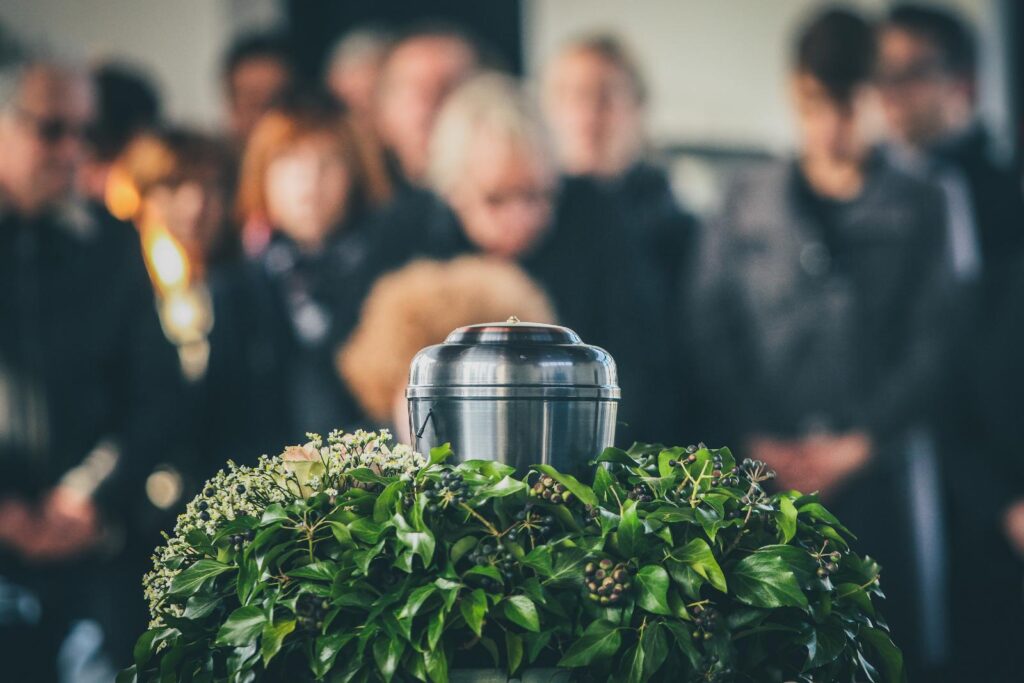
In recent years, more families across the UK have begun considering direct cremation as an alternative to a traditional funeral. For some, it can feel like the right choice — simple, private and without the formality of a larger service.
But simple should never mean unsupported.
SAIF’s Handled with Care campaign has been launched to help families better understand what direct cremation can involve, particularly when arrangements are made online through large national providers. The campaign aims to encourage informed decisions by shifting the conversation away from price alone and towards care, dignity and emotional support.
At C V Gower, we believe every family deserves clear guidance and compassionate support when making funeral arrangements, whatever type of farewell they choose.
What Is Direct Cremation?
A direct cremation is a cremation that takes place without a funeral service or mourners present at the crematorium. Afterwards, the ashes are returned to the family, who may then choose to hold a memorial or celebration of life separately.
For many people, direct cremation appeals because it removes some of the pressure and expense often associated with traditional funerals. In many cases, loved ones simply want “no fuss” and feel they are making things easier for those they leave behind.
Importantly, direct cremation is not a lesser option. It is simply one of many choices available to families today.
However, many people may not fully understand what is involved when arranging a direct cremation online. SAIF’s campaign highlights that some services can involve limited personal contact, no opportunity for viewing, and arrangements managed remotely rather than locally.
This is why understanding your options before making a decision is so important.
Why SAIF Launched the “Handled with Care” Campaign
The Handled with Care campaign was created to raise awareness of the emotional and practical differences between independent local funeral directors and large national direct cremation providers.
According to SAIF’s research, many families later felt they would have benefited from more guidance and reassurance during the arrangement process. In fact:
- 18% of people who arranged an online direct cremation later regretted doing so
- 27% said they would have appreciated more support and structure
- 20% felt the experience left unresolved grief or a lingering sense that something was missing
The campaign is not about criticising families for the choices they make. Instead, it is about ensuring people fully understand the emotional impact funeral arrangements can have, both at the time of loss and in the months afterwards.
As SAIF explains, funerals are not only about the person who has died. They are also for the people left behind.
The Difference a Local Independent Funeral Director Can Make
When someone dies, families often need more than just a service. They need reassurance, understanding and someone they can speak to directly.
This is where local independent funeral directors can make a real difference.
At C V Gower, families are supported by a local team who know the community they serve. We can offer face-to-face guidance, explain options clearly and help with the many practical details that can feel overwhelming during bereavement.
Even for families choosing direct cremation, personal care still matters.
Many people take comfort in knowing:
- Who is caring for their loved one
- Where they are being looked after
- Who they can contact with questions
- That arrangements are being handled with dignity and respect
Independent funeral directors also offer continuity of care from the moment a loved one is brought into care through to the cremation itself. That personal connection can provide reassurance at a time when families often feel vulnerable and uncertain.
Unlike larger national providers, local funeral directors are part of the community. Their reputation is built on trust, compassion and personal service, not volume or convenience.
Common Misconceptions About Direct Cremation
There are still many misunderstandings around direct cremation and what it involves.
One common misconception is that no funeral director is involved. In reality, professional care is still required throughout the process, including collection, preparation, transportation and cremation arrangements.
Another misconception is that choosing a simple funeral means families cannot personalise a farewell later on. This is not true. Many families who choose direct cremation still hold meaningful memorials, celebrations of life or small gatherings in their own time.
There is also an assumption that large national providers are always cheaper. However, this is not necessarily the case. Some families have found that arranging a direct cremation through a local funeral director provided both better support and comparable pricing.
Most importantly, simple does not have to mean impersonal.
Every family’s needs are different, and every goodbye should feel right for the people involved.
Why Human Support Still Matters
Grief affects everyone differently, and many people do not realise how important support can feel until they are going through it themselves.
SAIF’s research found that 25% of people believe attending a funeral is an important first step in the grieving process, while 32% said they were more able to process grief after attending an in-person funeral.
For some families, having the chance to gather together, share stories and say goodbye can be deeply important. Others may simply value having someone nearby who can answer questions and guide them through unfamiliar decisions.
At difficult times, compassionate communication and local support can make all the difference.
Trusted Local Care from C V Gower
At C V Gower, we are proud to support families across our local community with care, compassion and understanding.
As a trusted family-run funeral director, we offer both traditional funerals and direct cremation services, always taking the time to explain options clearly and without pressure.
Our role is not to tell families what they should choose. It is to provide guidance, reassurance and dignified care so that every family can make the decision that feels right for them and for their loved one.
If you are considering direct cremation or would simply like to talk through the options available, our team is here to help.
Contact us for friendly, no-obligation guidance and support during what can be one of life’s most difficult moments.
Our Guide to Wakes

A wake can be one of the most heartfelt moments in saying goodbye. It offers a space not just for grief, but for warmth, remembrance and connection. For many, it’s a chance to celebrate a loved one’s life surrounded by those who knew them best — a time to reflect, share stories and begin healing, together.
Whether you’re arranging something traditional or envisioning a more modern gathering, planning a wake doesn’t need to feel overwhelming. With the right guidance and support, it can become a deeply meaningful part of the farewell.
The Purpose of a Wake
The tradition of the wake goes back centuries, often rooted in religious and cultural customs where family and friends would come together to keep vigil before a person’s burial. These gatherings were once solemn occasions, marked by prayer, reflection and community.
While the customs have evolved, the heart of the wake remains the same — to honour someone’s life and bring people together in comfort and remembrance. Today, wakes are often held after the funeral service and can take many forms. Some may still prefer a quiet, traditional gathering, while others might opt for a more informal event full of music, laughter and personal touches. There is no right or wrong way — only what feels right for the person being remembered and those saying goodbye.
Choosing the Right Setting
The atmosphere of a wake is often shaped by its surroundings. Some families feel most at ease holding a wake at home, where the familiarity of the space can offer a sense of closeness and calm. For others, the practicality and support of an external venue makes things a little easier during a difficult time.
Community halls or local centres provide flexible spaces that can be tailored to suit different sizes and styles of gathering. A favourite pub or hotel function room can lend a more relaxed and sociable feel, often with the added convenience of on-site catering. And for those seeking a more private or structured arrangement, funeral homes with reception facilities can provide a calm and respectful environment.
Whatever the choice, the most important thing is that it feels right for you, your family and the memory of the person you’re honouring.
Creating a Meaningful Experience
A wake doesn’t need to be elaborate to be meaningful. In fact, some of the most touching moments come from the simplest gestures. A table of cherished photographs, a playlist of favourite song or a quiet corner where guests can write down memories — these are the little things that can bring great comfort.
Some families choose to include short speeches or informal tributes, allowing friends and relatives to speak from the heart. Others prefer a more reflective setting, where conversation flows naturally over tea and cake. What matters most is that the gathering feels personal — a true reflection of the life lived and the people who loved them.
Catering can be as modest or as extensive as you wish. Whether it’s a homemade spread, a traditional afternoon tea, or a light buffet arranged through a local caterer, the focus is on hospitality and warmth. Sharing food and drink together can be a source of great comfort, offering moments of togetherness and even smiles in the midst of sorrow.
Balancing Cost and Care
We understand that cost is an important consideration for many families. The good news is that a meaningful wake doesn’t need to be expensive. A gathering at home with homemade food can be just as special as one held in a hired venue with professional catering.
If you’re planning within a budget, it can help to focus on the aspects that matter most — perhaps a space that feels welcoming, a few special photographs and enough refreshments to make guests feel looked after. At C V Gower, we offer gentle guidance and practical suggestions to help you find the right balance between cost and care, always with transparency and respect for your wishes.
Making the Day Comfortable for Everyone
Hosting a wake is, at its heart, about creating a safe and comforting space for others. There’s no pressure to make it perfect. Some people find it helpful to ask a close friend or family member to help with the day’s logistics, so they can focus on being present with guests.
It’s also worth considering how you’d like the gathering to flow. You might prefer a quiet drop-in event with no set schedule, or you may choose to have a short welcome or moment of reflection at a particular time. Letting guests know what to expect in advance can help everyone feel at ease, especially older relatives or those travelling from afar.
And of course, it’s okay if things feel emotional or uncertain — that’s part of what makes a wake so human and honest. It’s a space where grief, memory, love and even laughter can all coexist.
How C V Gower Funeral Directors Can Help
At C V Gower, we know how much thought and emotion go into planning a farewell. That’s why we’re here to offer gentle, practical support with wake arrangements, helping families throughout North Somerset create gatherings that truly reflect their loved one’s life.
Whether you’re looking for a local venue, need help arranging catering or simply want to talk through your ideas with someone who understands, we’re here to listen and guide you with care. Our team can recommend trusted venues and suppliers, assist with the finer details and ensure the wake flows smoothly so that you can focus on being with your loved ones.
A Thoughtful Goodbye
In the end, a wake is about more than just planning; it’s about honouring someone’s life in a way that feels true to who they were. It’s a space to share stories, shed tears and find warmth in the company of others. Whether it’s a traditional gathering or something uniquely personal, the most important thing is that it brings comfort, connection and a sense of peace.
If you’re considering a wake and would like some support or guidance, please don’t hesitate to get in touch with our team. We’re here to help you every step of the way — with empathy, experience and a commitment to making every goodbye a meaningful one.
What to do With Ashes After Cremation

After a cremation, many families find comfort in having their loved one’s ashes close by. A physical presence that represents so much love, memory and meaning. Yet deciding what to do with those ashes can feel like a deeply personal and sometimes overwhelming choice.
We’d like to clarify that there’s no single path to follow. For some, a traditional approach offers peace and continuity. For others, a more creative or symbolic tribute may feel just right. What matters most is finding something that resonates with the life of the person you’re remembering and with those left behind.
In this guide, we’ll gently explore the options available to you, from timeless traditions to imaginative keepsakes, while also touching on important legal and cultural considerations. And throughout it all, please remember: you don’t have to make these decisions alone.
Traditional Choices: Familiar Acts of Remembrance
For many, the most comforting choice is one that echoes long-standing traditions. Placing ashes in a decorative urn, keeping them at home or burying them in a family plot or memorial garden can provide a sense of closeness and continuity.
Scattering ashes in a meaningful place — perhaps in a favourite woodland, at sea or across a cherished landscape — can also be a powerfully healing act. It’s a chance to return someone to a place they loved, or one that holds significance for the family as a whole.
Some families choose to divide the ashes between several close relatives, using miniature keepsake urns or small scatter tubes, allowing more than one person to feel that special connection. Others find solace in interring the ashes alongside a headstone or plaque, offering a physical place to return to and reflect.
These acts are often quiet and deeply personal. Whether carried out in a cemetery, a private garden, or somewhere wilder and freer, they offer a moment of release, gratitude and love.
Personal and Creative Tributes
In recent years, more families have been drawn to unique ways of honouring their loved one — tributes that reflect the individuality of the person who has died and the lives they touched.
Some turn to keepsake jewellery, such as lockets or rings containing a small portion of the ashes, allowing them to carry their person close at all times. Others may choose to commission glass art or paperweights where the ashes are subtly woven into the design, capturing light and memory in equal measure.
There are even options for those with a flair for the dramatic or poetic. Ashes can be turned into fireworks, launched into the sky in a final celebration. They can be blended with paint to create a lasting piece of art. Or they can be placed beneath a sapling, becoming part of a growing tree — a beautiful reminder that love, like nature, continues in new and surprising ways.
These more creative options are not for everyone, but for some, they feel perfectly aligned with a loved one’s spirit, humour or passions. It’s a reminder that remembrance doesn’t need to be solemn — it can also be full of colour, character and life.
Planning a Memorial or Scattering Ceremony
Whatever option you choose, many families find comfort in holding a small ceremony or gathering when laying their loved one’s ashes to rest.
This can be as formal or informal as you wish — a quiet few moments with immediate family or a larger gathering with readings, music and shared memories. Some choose to light candles, play a favourite song or simply stand together in silence. Others may offer words, plant flowers or share stories over a cup of tea afterwards.
At C V Gower, we often support families in arranging these gentle gatherings, helping with practicalities such as transport, permits and the supply of scatter tubes or biodegradable urns. We also help families personalise the occasion, whether that’s with floral tributes, music, or memorial stationery.
Legal Considerations for Ashes in the UK
While there’s considerable flexibility around what you can do with ashes in the UK, it’s still important to be aware of the rules, especially when scattering or interring in a public or private location.
If you wish to scatter ashes on private land, such as a garden or estate, you’ll need the landowner’s permission. For scattering in public places — parks, rivers or coastal areas — local authorities or environmental agencies may need to be consulted. Many cemeteries and crematoria offer designated gardens of remembrance, where ashes can be scattered or buried with the appropriate consent.
There are no laws in the UK prohibiting the keeping or dividing of ashes among family members, but care should be taken to handle them with dignity and mutual agreement. If you’re planning to take ashes abroad, you’ll need to follow regulations for transport, which often include obtaining a certificate of cremation and checking with the airline and destination country.
At C V Gower, we can guide families through these legal steps with compassion and clarity, helping to ensure everything is handled smoothly and respectfully.
Respecting Religious and Cultural Traditions
For many people, faith and cultural beliefs shape how they wish to handle ashes. In some religions, scattering is not permitted, while others encourage the return of ashes to nature or burial within a specific timeframe. Some faiths hold strong traditions around purification, sacred spaces or specific rites.
If you’re unsure of what’s appropriate or simply wish to honour a loved one’s heritage, our team can support you in understanding and respecting those practices. Over the years, we’ve worked with families of many faiths and none, always with the deepest respect for individual wishes.
Finding What Feels Right
There’s no right or wrong way to say goodbye. Sometimes the decision about what to do with ashes is made quickly — a clear sense of what the person would have wanted. Other times, it takes longer. And that’s okay.
You might need time to talk things through with family, to sit with your grief before making a choice. You might find that something as simple as holding the ashes at home for a while provides comfort as you decide. You might change your mind — and that, too, is perfectly natural.
We always remind families that there is no rush. Take your time. Trust your heart. When you’re ready, the right path will become clearer.
How C V Gower Funeral Directors Can Support You
At C V Gower Funeral Directors, we understand how deeply personal these choices are. That’s why we’re here to offer guidance that’s not only practical, but compassionate too.
We can talk you through your options, show you a range of urns and keepsakes and connect you with trusted memorial artists and service providers. If you’re thinking about scattering, we can suggest peaceful local spots and help you navigate permissions. And if you’re planning a ceremony, we’ll help you make it feel meaningful and comforting in every way.
Every family’s journey is different. Our role is simply to walk alongside you, offering support whenever you need it. Get in touch today.
Direct Cremation vs Traditional Funeral: Making The Choice

When we lose someone close to us, one of the first and most significant decisions we face is how best to honour their life. For some, the structure and symbolism of a traditional funeral bring comfort and meaning. For others, a simpler, more private option such as direct cremation may feel more fitting. There is no right or wrong answer – only what feels right for you, your family and your loved one.
In this blog, we explore the differences between direct cremation and traditional funerals to help you better understand both options. Whether you’re arranging a funeral now or considering future plans, this guide is here to offer clarity, support and reassurance.
What is Direct Cremation?
Direct cremation is the most straightforward form of funeral arrangement. It involves the cremation of a loved one without a formal funeral service beforehand. There is no procession, no ceremony at the crematorium and often no mourners present at the time of cremation.
Many families choose direct cremation for its simplicity and cost-effectiveness. The person is cared for with the same respect and dignity as any other funeral arrangement, but the focus shifts away from ceremony and tradition.
Instead, families may hold a separate memorial or celebration of life at a time and place that feels right – perhaps in the garden, at the seaside or somewhere that held meaning for their loved one. This flexibility can offer emotional space and a chance to grieve in a more personal, informal way.
What is a Traditional Funeral?
A traditional funeral is often what people think of when they imagine a final farewell. It typically includes a service, religious or non-religious, where family and friends gather to pay their respects. This might be held in a church, chapel, crematorium or another meaningful venue.
A hearse may carry the coffin in procession, and the service may feature readings, hymns or music, tributes and other rituals. After the service, the person is either buried or cremated.
For many, a traditional funeral provides a comforting sense of structure and ceremony. It offers a chance for people to come together, share memories and say goodbye in a way that reflects the values and personality of the person who has died.
The Key Differences
The most noticeable difference between direct cremation and a traditional funeral is the presence—or absence—of a formal service. But other factors may also influence a family’s choice.
Cost is often a consideration. Direct cremation tends to be more affordable, as it avoids many of the elements associated with a full funeral, such as venue hire, service officiants, or limousines. This can make it an accessible option for those wanting something simple or where finances are a concern.
Personalisation also varies. Traditional funerals allow for more immediate personal touches, from floral arrangements and music to tailored tributes during the service. Direct cremation, meanwhile, allows for personalisation to take place afterwards, on your own terms, perhaps at a memorial gathering or even during a private moment of remembrance.
Timing and logistics can differ, too. With direct cremation, the process tends to be quicker and more flexible. Traditional funerals may take more time to arrange, especially when coordinating venues, clergy or family travel.
Emotional Considerations
It’s important to acknowledge that every family’s emotional needs are different. Some people find great comfort in gathering with others for a traditional ceremony, sharing tears and laughter and honouring a life with ritual and community support.
Others may prefer a quieter, more private approach. For families experiencing complicated grief, or for those who simply want to celebrate life in their own way, direct cremation can provide the space to grieve without the expectations of a formal service.
Neither option is less caring or less respectful. What matters most is that it reflects the wishes of your loved one and supports your needs as a family.
Legal and Practical Aspects
From a legal standpoint, both direct cremation and traditional funerals require the same formalities. Death must be registered, and legal paperwork completed before any cremation or burial takes place. Your funeral director will guide you through this process with care and clarity.
At C V Gower Funeral Directors, we ensure that every person is treated with the highest level of dignity, whether the funeral is simple or elaborate. We handle the necessary arrangements with professionalism, compassion and attention to detail, offering peace of mind when it’s needed most.
Why Some Families Choose Direct Cremation
The reasons families choose direct cremation vary. For some, it reflects a loved one’s personal wishes—perhaps they didn’t want a fuss or preferred something low-key. For others, practicalities like distance, time constraints, or cost make direct cremation the most appropriate option.
In recent years, direct cremation has grown in popularity, partly because of a broader cultural shift. More people are exploring alternative ways to say goodbye—less traditional, more personal and often centred around a celebration of life that takes place separately from the cremation itself.
It can also allow more time for planning a meaningful farewell. Without the time pressure of arranging a full funeral within days, families can gather when the time feels right and create a tribute that truly honours the person’s life.
Supporting You in Making the Right Choice
At C V Gower Funeral Directors, we understand that every family’s needs are unique. That’s why we offer both direct cremation and traditional funeral services, tailored with care and sensitivity to suit your circumstances and wishes.
We’re here to listen, to guide and to help you feel confident in your choices, whether that means arranging a simple, dignified direct cremation or creating a bespoke funeral that reflects your loved one’s life in full.
We know these decisions are never easy, but you don’t have to make them alone. Our experienced, family-run team is here to support you every step of the way, with honesty, compassion and respect.
Need more information or a friendly conversation about your options? We welcome you to get in touch with our team at C V Gower Funeral Directors, where you’ll find compassionate support and honest advice whenever you need it.
Superstitions & Storage: Keeping Ashes at Home
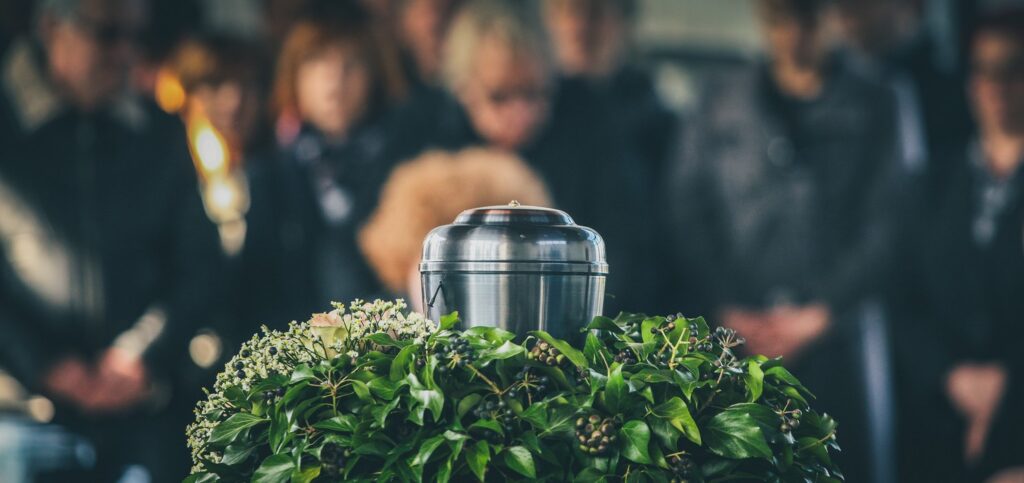
For many families, keeping a loved one’s ashes at home is a meaningful and personal way of preserving their memory. However, in the UK, and indeed around the world, there are different perspectives on whether storing ashes in the home brings comfort or unease.
Below, we’ll explore some of the superstitions, spiritual views and practical tips that can guide families when deciding if keeping ashes at home is the right choice for them.
Cultural Superstitions About Keeping Ashes at Home
When deciding to keep a loved one’s ashes at home, it’s natural to wonder about the cultural beliefs surrounding this practice. Around the world, various cultures have distinct beliefs regarding the storage of cremated remains, with some viewing it as a loving tribute and others associating it with bad luck.
In some cultures, keeping ashes at home is believed to create a strong connection with the deceased, ensuring their spirit remains close. However, certain superstitions warn against this, suggesting that it could bring “bad luck” or disrupt the natural cycle of the spirit. For example, in some Eastern traditions, it’s believed that a spirit might struggle to find peace if their remains are not laid to rest away from the family home. In parts of Asia, there is a custom to place ashes in a dedicated space outside the home, such as a family shrine, rather than within the household itself.
In contrast, many Western beliefs focus less on superstition and more on the personal meaning of storing ashes at home. In the UK, attitudes towards keeping ashes at home are often practical, though some people still hold onto traditional superstitions.
Ultimately, beliefs about keeping ashes vary widely, and it’s entirely personal. Each family may feel differently about how they wish to remember and honour their loved ones in their home.
Religious and Spiritual Views on Ashes in the Home
Religious and spiritual perspectives can also shape how individuals and families feel about keeping ashes at home. For some, religious teachings provide guidance, while others may interpret these teachings based on personal beliefs and values.
Christianity: In Christianity, views on cremation have evolved, and while traditional burial is still preferred by some denominations, cremation is now broadly accepted. The Catholic Church, however, advises that ashes be buried in a cemetery or consecrated ground, rather than kept at home, as a sign of respect for the body and a reflection of the belief in resurrection. Many Protestant denominations are more flexible, leaving it up to individuals to decide how best to honour their loved ones.
Hinduism: Hindu tradition encourages the scattering of ashes in a body of water, ideally in a sacred river, to help the soul return to its eternal source. Keeping ashes at home is uncommon and not encouraged within Hinduism, as it’s believed to prevent the soul’s liberation.
Buddhism: In Buddhism, cremation is a common practice, and some followers choose to keep a portion of the ashes in a small shrine or urn at home as a way to honour the deceased. The focus is often on finding peace and balance rather than specific rules about keeping ashes in the home.
Secular and Spiritual Practices: Many people without strong religious beliefs choose to keep ashes at home for personal reasons. They may feel that the presence of the ashes brings comfort and closeness, offering a quiet space for reflection. This choice is often guided by a sense of personal spirituality rather than any specific religious customs.
Where To Store Ashes at Home
For families who choose to keep ashes at home, there are a few practical factors to keep in mind to ensure that the remains are stored safely and respectfully:
Choosing the Right Location: Many families find comfort in keeping ashes in a place of honour, such as a dedicated shelf or small area where they can add meaningful items like photos or candles.
Environmental Factors: Consider the environmental conditions of your home when storing ashes, as heat and humidity could affect the urn over time. If storing ashes outdoors in a garden, for example, ensure the urn is made from materials that can withstand the weather or choose a well-protected spot.
Choosing an Urn: Selecting a secure, well-sealed urn is essential to prevent any accidental spilling. Urns come in various designs and materials, from classic wooden or ceramic urns to contemporary glass or metal options. At C V Gower Funeral Directors, we offer a range of high-quality urns and keepsakes to suit personal preferences, whether you prefer something traditional or modern.
Maintaining Privacy and Respect: Some families choose to keep ashes in a place that is out of the direct view of visitors. This respects the privacy of both the family and their loved one’s memory, allowing for a more intimate, personal connection in the home. For others, a visible display is a meaningful reminder of their loved one’s presence.
Supporting Your Choice
At C V Gower Funeral Directors, we understand that every family has unique preferences and beliefs when it comes to handling their loved one’s ashes. If you decide to keep ashes at home, we’re here to provide guidance and offer practical tips to support your choice. For those who feel uncertain, our team can offer information on other meaningful options, such as scattering or interment, that allow families to keep a part of their loved one close. Whether you choose to keep ashes at home or explore other memorial options, our compassionate team is here to help you make a decision that reflects your wishes and values.
Deciding whether to keep ashes at home is a personal choice that can be influenced by cultural beliefs, religious teachings, and individual circumstances. Understanding the variety of superstitions, spiritual perspectives, and practical tips can help families make an informed decision that aligns with their values and honours their loved one’s memory. For those who need guidance or support, C V Gower Funeral Directors is here to help you find a respectful and meaningful way to remember your loved one, whether that’s at home or beyond.
If you would like personalised advice on storing ashes or to explore our range of urns and keepsakes, please don’t hesitate to reach out to us. We are here to support you through every step of this meaningful journey.