
Funerals
Understanding British Funeral Etiquette and Customs
Attending a funeral can be an emotionally challenging experience, especially when you’re uncertain about the customs and expectations. Here in the UK, funeral traditions provide structure and a way to show respect for the person who has passed away, as well as their family. While every service is unique, understanding basic etiquette can help you feel more confident and offer comfort during a difficult time.
This guide offers gentle, practical advice on how to navigate funeral customs, from traditional practices to modern changes, so you can honour your loved one thoughtfully and respectfully.
Traditional British Funeral Customs
In British culture, funerals often follow a familiar structure, although the details may vary based on family wishes, religion or personal preferences.
Traditionally, black or dark-coloured clothing is worn as a sign of mourning. Men usually opt for suits with a white shirt and black tie, while women often wear dark dresses or formal attire. However, some families prefer a different approach, asking mourners to wear bright colours to reflect the personality or wishes of their loved one. If you’re unsure, the funeral announcement will often mention any specific requests.
Most funerals begin with a welcome or opening words, followed by readings, eulogies and hymns or music. The coffin may then be taken for burial or cremation. Afterwards, many families invite mourners to a wake or reception, where memories can be shared more informally.
Unless stated otherwise, funerals in the UK are generally open to anyone who knew the person who has passed away. Immediate family typically sit at the front, while friends, colleagues and extended family fill the remaining seats. If you’re unsure where to sit, arriving early and observing others can help you feel more at ease.
How to Behave Respectfully
Funerals are deeply personal events, and your presence is a way of showing support. Here are some gentle guidelines to help you navigate the day.
Offering Condolences
It can be hard to find the right words, but a simple “I’m so sorry for your loss” or “You’re in my thoughts” is always appropriate. If you feel comfortable, sharing a short, heartfelt memory of the person can bring comfort. Your sincerity matters more than having the perfect words.
During the Service
Silencing your phone before the service begins is a thoughtful gesture. Follow the lead of the family during hymns, prayers or moments of reflection. If you’re asked to give a reading or eulogy, focus on speaking sincerely and clearly. Remember, it’s perfectly okay to show emotion.
Attending the Wake
The wake or reception offers a chance to share stories and connect with others who are grieving. You’re not expected to stay for the entire time, but being there, even briefly, can mean a lot to the family. Accepting food and drink, if offered, is a kind way of participating.
Modern Changes in Funeral Etiquette
While traditional customs remain meaningful, modern funerals are evolving to reflect personal wishes and contemporary lifestyles.
It’s becoming more common for families to request colourful clothing or attire that reflects the passions of the person who has passed. Whether it’s a favourite football jersey or a cheerful pattern, these choices can celebrate a unique life. Checking the funeral notice or asking someone close to the family can provide clarity.
Sometimes, attending in person isn’t possible. Many services now offer live streaming, allowing you to be present from afar. If joining virtually, dressing appropriately, joining on time and muting your microphone are thoughtful ways to show respect.
Funerals today often incorporate personal touches, from favourite songs to unique rituals. These elements can make the service feel deeply meaningful, honouring the individuality of the person being remembered. Whether traditional or modern, the most important thing is to respect the family’s wishes.
Expressing Condolences Thoughtfully
Sharing your sympathy can feel overwhelming, but even small gestures of kindness are deeply appreciated.
A warm handshake, a gentle touch on the arm or simply standing quietly with the family can speak volumes. It’s okay to say, “I don’t know what to say,” if that’s how you feel. Your presence is often comfort enough. If you can’t attend, or even if you can, sending a condolence card or note shows that you care.
Many families ask for charity donations instead of flowers. If you’re unsure about the amount, consider giving what you would spend on a bouquet. A short note to the family or charity acknowledging your donation keeps the gesture personal.
We’re Here To Help
At C V Gower, we understand how important it is to honour traditions while also respecting personal wishes. Whether you’re planning a service or attending one, we’re here to guide you through the details with compassion and understanding.
If you’re ever unsure about what to expect, please reach out. We’re here to help you navigate these difficult moments, ensuring you feel supported every step of the way.
Grief Journaling: A Therapeutic Tool for Coping with Loss

Grieving the loss of a loved one is a deeply personal and often overwhelming journey. During which, many find themselves struggling with a wave of complex emotions, ranging from sadness and anger to moments of confusion and numbness. One approach that can offer comfort and a safe space for these feelings is grief journaling – the practice of writing to help process loss.
In this article, we’ll explore the therapeutic benefits of grief journaling, provide tips on how to get started and look at a few different methods, to help you through this difficult time.
The Therapeutic Benefits of Grief Journaling
I’d like to begin by noting that grief is unique to each individual and instance of loss; there’s no single right way to cope. However, writing down your thoughts and feelings can be an immensely healing practice. Grief journaling acts as a form of emotional release, allowing you to express what might be too difficult to say aloud.
When we bottle up our emotions, it can intensify feelings of pain and anxiety. Journaling provides a private outlet to release pent-up feelings. By putting your thoughts on paper, you may feel a sense of relief and lightness, even if the words are raw and messy. The act of writing offers a safe space to confront your grief without fear of judgement.
Moreover, grief often brings up a mixture of emotions – some we may not fully understand. Journaling can help untangle these feelings and offer clarity. As you write, you may notice patterns or recurring themes in your emotions. This can be a helpful way to identify specific triggers or memories that need attention, guiding you toward a deeper understanding of your grief.
Writing has been shown to have a calming effect on the nervous system. When you take the time to reflect and write, your brain shifts into a more relaxed state. This can help reduce the physical symptoms of grief, such as a racing heart or difficulty sleeping. Many people find that setting aside time for journaling each day creates a small but meaningful ritual of self-care.
Getting Started with Grief Journaling
Starting a grief journal may feel daunting, especially if you’re not used to writing regularly. Remember, there are no rules when it comes to grief journaling—it’s a personal practice, and you can approach it in whatever way feels right for you. Here are some tips to help you get started:
Choose Your Medium
Decide whether you’d like to write in a traditional notebook, use a digital journal, or even record audio entries if writing feels too difficult. The medium you choose should feel comfortable and accessible to you.
Set a Regular Time
Establishing a routine can help make journaling a regular part of your self-care practice. You might choose to write first thing in the morning, before bed, or whenever you feel overwhelmed by emotions. It’s okay if you can only manage a few minutes at a time—consistency is more important than length.
Use Prompts if You Feel Stuck
It’s normal to feel unsure about what to write, especially at first. Using grief journal prompts can be a helpful way to get started. Here are a few ideas:
“Today, I’m missing you because…”
“A memory I keep coming back to is…”
“What I wish I could say to you right now is…”
“One thing I’m grateful for today is…”
“I feel closest to you when…”
These prompts can help guide your thoughts and give you a starting point on difficult days.
Types of Grief Journals
There are many ways to approach grief journaling, and it’s worth experimenting to see what feels most supportive for you. Here are a few common types of grief journals:
Free-Writing Journal
A free-writing journal is perhaps the simplest approach: you simply write whatever comes to mind. This style allows your thoughts to flow without structure, capturing your raw emotions as they surface. It can be particularly therapeutic on days when emotions feel chaotic or overwhelming.
Gratitude Journal
While it might seem counterintuitive to focus on gratitude during grief, this practice can be incredibly healing. A gratitude-focused grief journal doesn’t ignore your pain; rather, it helps you find moments of light even in the darkness. You might write about a small gesture of kindness you received or a happy memory you shared with your loved one.
Letters to the Deceased
Writing letters to your loved one can be a powerful way to maintain a sense of connection. In these entries, you might share your day, express your feelings, or ask questions you wish you could still ask them. This type of journaling can provide comfort and a sense of ongoing dialogue.
Memory Journal
A memory journal focuses on capturing stories, moments, and special times shared with your loved one. This can be a beautiful way to preserve their legacy and celebrate their life. You may include photos, quotes, or small mementoes that hold meaning for you.
The Impact of Journaling on Mental Health
Grieving can take a toll on both mental and physical health. Regularly engaging in grief journaling has been shown to support long-term recovery by helping individuals to process their loss in a healthy way. Research suggests that journaling can help reduce symptoms of depression and anxiety, improve sleep, and even boost immune function. By giving yourself permission to write and express your grief, you are investing in your emotional wellbeing and allowing yourself the space to heal.
C V Gower’s Commitment to Supporting Families Through Grief
Grief journaling is a deeply personal and therapeutic tool that can help you navigate the difficult path of loss. Whether you choose to write daily, weekly or only when the emotions feel too strong to hold in, the act of putting pen to paper can offer a sense of release, clarity and comfort. Remember, there’s no right or wrong way to keep a grief journal, only what feels right for you.
If you’d like to learn more about bereavement support and the resources we offer at C V Gower Funeral Directors, please get in touch. We’re here to help you find the tools that work best for you and your healing process.
Do We Need A Traditional Hearse? A Guide to Funeral Planning
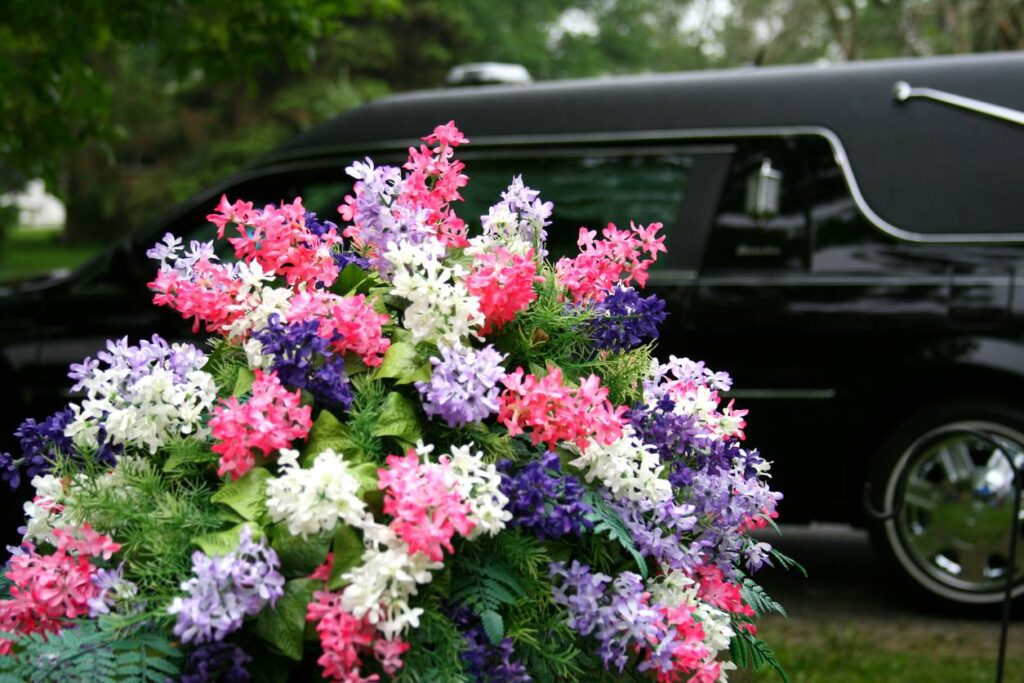
Traditionally, the sight of a black hearse is associated with a solemn farewell; it is a dignified way to transport a loved one on their final journey. Of course, a traditional send-off is not for everyone and, as funeral planning becomes more personalised, many families are asking the question: ‘Do we really need a traditional hearse?’.
In this article, we’ll explore the role of the traditional hearse, discuss alternative vehicle options and provide guidance on how to choose the right transport for your loved one’s farewell.
The History of the Hearse
The hearse has long been a central element in funeral traditions, symbolising the solemn journey from life to rest. But where does this tradition come from?
The term “hearse” originates from the Anglo-French word ‘herce’, initially referring to a framework for candles placed over a coffin. By the 1600s, it came to denote the vehicle transporting the deceased to their final resting place. Early funeral processions often involved simple frames, or ‘biers’, carried by hand. But, as customs evolved, so did the means of transport.
In the 17th century, horse-drawn carriages became the standard for transporting coffins, especially among the affluent. These carriages were often elaborately designed, featuring intricate carvings and velvet draperies, reflecting the importance of the deceased and the family’s social status. The use of horse-drawn hearses continued into the 19th century.
The early 20th century marked a significant shift with the introduction of motorised hearses. The first motorised hearse appeared in the early 1900s, transitioning from horse-drawn carriages to vehicles powered by electric motors. By the 1920s, petrol-powered hearses became more common, offering greater efficiency and range. This period also saw the standardisation of the black hearse, symbolising dignity and respect.
Today, hearses come in various styles and designs, catering to diverse preferences. While traditional black hearses remain prevalent, there’s a growing trend towards personalisation.
Exploring Alternative Options
As funerals become more focused on celebrating individuality, many families are opting for alternatives to the classic black hearse. The choice of vehicle can reflect the personality, passions or beliefs of the deceased, offering a unique tribute that feels more personal.
Some families choose to honour their loved one’s hobbies or interests with a customised vehicle. For example, a vintage car, motorcycle hearse or even a favourite camper van could be used to transport the coffin. This option can be a meaningful way to reflect a passion or significant aspect of the person’s life, making the final journey feel uniquely theirs.
Today, eco-friendly hearse options are also a popular choice. Electric hearses provide a greener alternative, producing less carbon emissions while still offering a sleek and modern appearance. For those who prioritised sustainability in life, choosing an eco-friendly hearse can be a fitting tribute that aligns with their values.
For families looking to incorporate tradition with a touch of elegance, a horse-drawn hearse may be an ideal choice. This option adds a sense of timeless grace to the procession and can be a particularly beautiful way to honour a loved one with a love for history or horses. Horse-drawn carriages can be arranged in a variety of colours, including the classic black or more vibrant choices, to suit the tone of the funeral.
A Final Journey
While a traditional black hearse remains a dignified and respected choice for many families, there are now a variety of alternatives that can offer a more personalised touch. From eco-friendly vehicles to unique, custom options, the choice of transport can be an opportunity to reflect the individuality and values of your loved one.
Ultimately, the decision of whether to use a traditional hearse or explore alternative options is a personal one, informed by family preferences and the wishes of the deceased. Whatever you choose, remember that there is no right or wrong option—only what feels most meaningful and appropriate for your farewell.
At C V Gower Funeral Directors, we understand that every life is unique, and are committed to providing families with a range of options to ensure the funeral service reflects the individual wishes of the deceased. Whether you prefer a traditional black hearse or are considering a more personalised or eco-friendly vehicle, we offer guidance and support to help you make an informed choice.
Our compassionate team can discuss the different options available and assist you in planning a funeral that honours your loved one in the most fitting way possible. We believe that the transport choice can be a meaningful part of the farewell, adding a personal touch that resonates with the family and the wider community.
If you’re planning a funeral and would like to discuss the transport options available, please don’t hesitate to contact us. We are here to help guide you through every step of the process, ensuring a service that honours your loved one’s memory with respect and care.
Why Do We Hold A Wake After A Funeral?

After a funeral, family and friends often gather for a wake. This is a time to remember the dearly departed, support each other and share stories. While customs have changed over the years, the heart of the wake remains: bringing people together to honour a loved one. In this article, we’ll explore the origins and significance of wakes, how they’ve evolved and the role they play today.
A Glance at the History of Wakes
The tradition of holding a wake is centuries old, rooted in cultural and religious customs designed to offer comfort and closeness during loss.
Celtic and Early Christian Origins
The practice of a wake can be traced back to early Celtic customs, where family members would keep watch over the body of a loved one through the night. This vigil was a way to show respect and protect the deceased from harm in the spirit world. Subsequently, it gave rise to the term “wake” – staying awake to accompany the person on their final journey.
As Christianity spread, the tradition adapted, with vigils becoming times of prayer and reflection. In Catholic communities especially, wakes were a way to pray for the deceased’s soul and to console grieving family members, strengthening the bonds of family and faith.
Why Do We Hold Wakes Today?
Wakes are often deeply meaningful occasions, bringing people together and contributing to the healing process in a unique way.
One of the most valuable aspects of a wake is the chance to provide comfort and gather in support. As grief can be an isolating experience, a wake is a time when friends, family and the wider community can share the burden of loss. It’s a time to embrace, listen and be present for one another.
Where a funeral may be more formal, the wake can feel more like a celebration. It’s a chance to share laughter alongside tears, reminiscing on joyful moments and reflecting on the love, achievements and unique qualities that made a person special. It is through these shared memories that a person lives on in the hearts of family and friends.
Interestingly, cultural differences also shape the way wakes are held. For example, Irish wakes are known for blending mourning with celebration, often including music, laughter and toasts in honour of the person’s life. In contrast, some communities prefer a more subdued approach, emphasising quiet reflection and prayer.
Modern-Day Wakes: A Reflection of Personal Choice
Today, wakes have become as unique as the lives they honour. They often reflect the individual’s personality, beliefs and passions.
Personalised Wakes
As we mentioned, many families now choose to hold wakes that feel personal to their loved ones. A wake is often held at a favourite spot, such as a local pub, family home or outdoor setting. From playing music to sharing favourite foods, every detail can be chosen to create a space that feels true to the person being remembered.
Secular Wakes
While traditional wakes are often rooted in religious practices, secular or non-religious wakes have become popular too, especially in a multicultural society like the UK. In a secular wake, the focus may shift away from formal prayers, centring instead on memories and shared stories. This flexibility allows everyone, regardless of faith, to feel included in saying goodbye.
Virtual Wakes
In recent years, virtual wakes have provided a way to connect with family and friends who can’t attend in person. Using online platforms, people can share photos, speak and even raise a toast in memory of the person, bridging the distance so that everyone, no matter where they are, can be part of the farewell.
Loved Ones, Remembered As They’d Wish To Be
Holding a wake after a funeral is an age-old tradition, and it continues to play a vital role in helping people find closure, comfort, and community. Whether it’s through sharing a story, embracing a friend, or quietly reflecting, a wake helps each person to feel and express their love and loss.
At C V Gower Funeral Directors, we understand that a wake is a deeply personal event. Our team is here to help you plan a gathering that feels true to the person you’ve lost and the memories you want to keep. Whether you’re looking for a traditional setting or something a little different, we can support you every step of the way, from arranging venues and catering to helping with personal touches that make the day meaningful.
If you’d like help planning a funeral or wake, or have questions about the options available, please reach out. We’re here to support you in creating a farewell that feels right for you and your loved one.